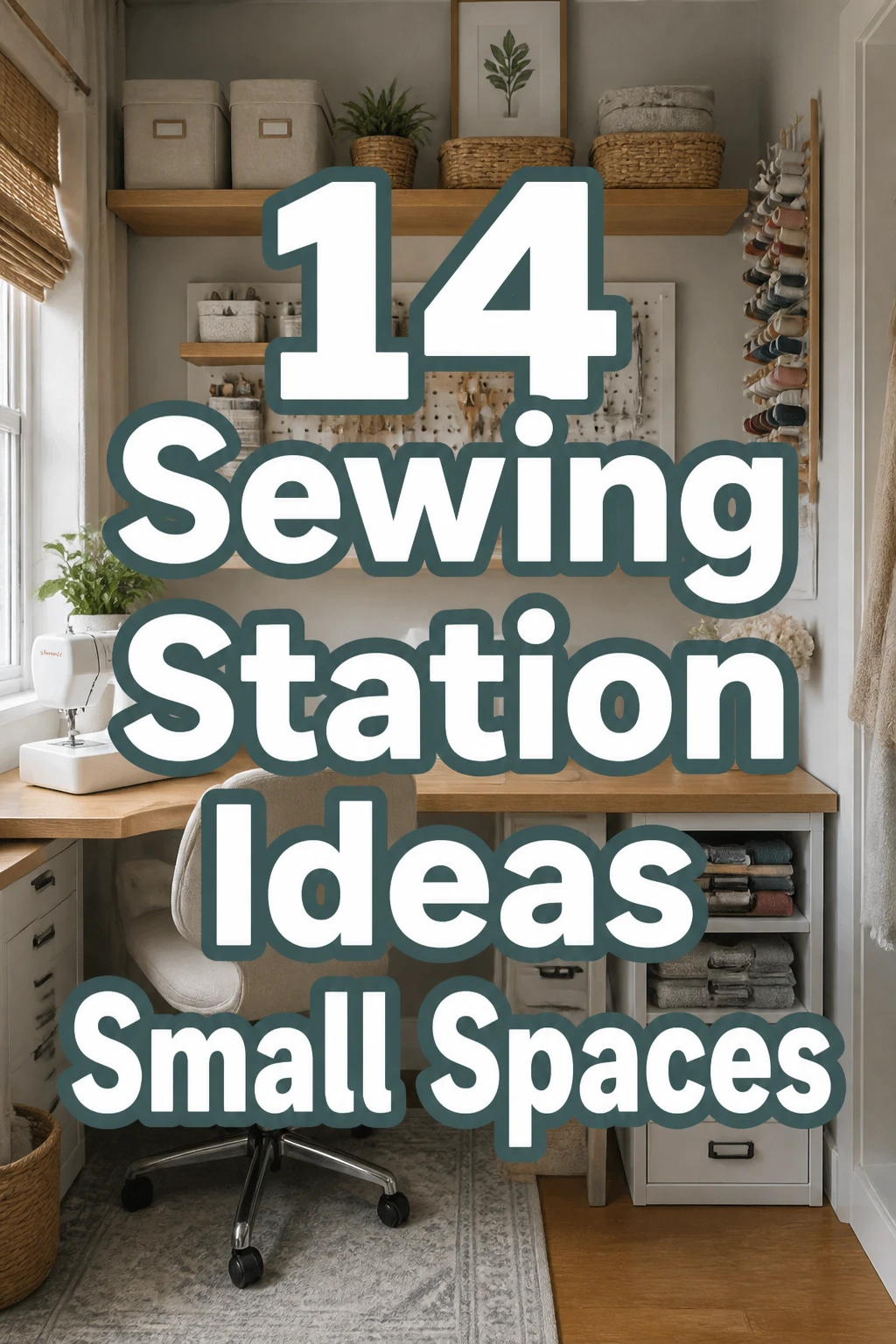
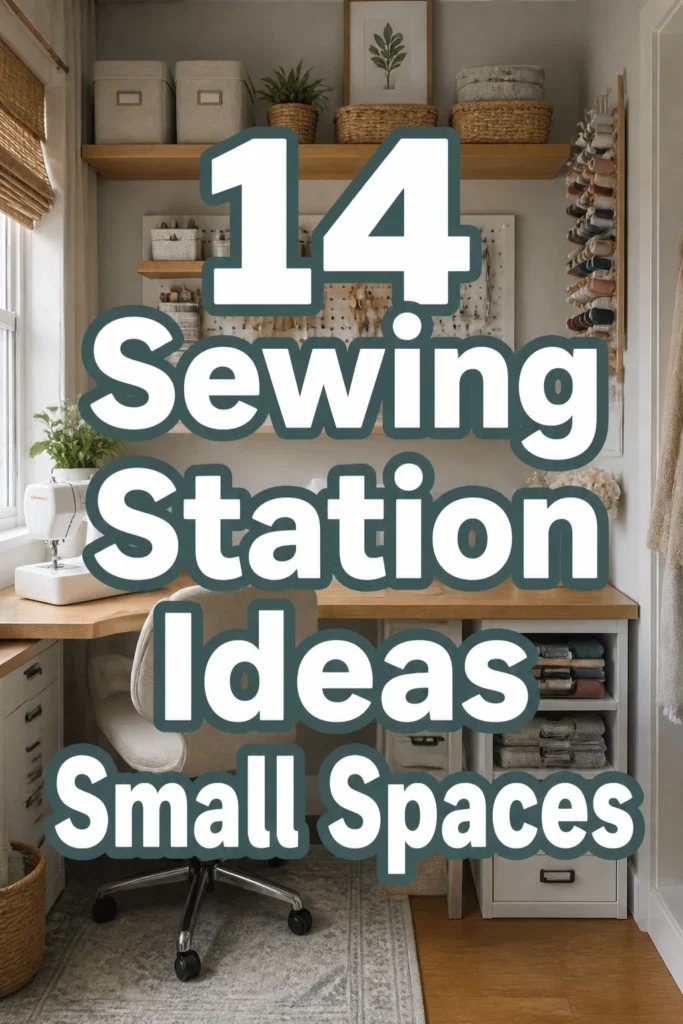
14 Sewing Station Ideas Small Spaces
Okay, fellow fabric enthusiasts, is your ‘sewing nook’ currently just a pile of notions on the dining table?
We get it, small spaces can feel like a personal attack on your craft dreams.
But fear not, because we’re about to drop some serious wisdom on how to conquer those tiny corners. Get ready to transform your cramped crafting chaos into a chic, functional sewing haven.
1. Fold-Down Wall Desk
- Best For: Apartment dwellers, multi-purpose rooms.
- Vibe: Minimalist chic, surprisingly spacious.
- Why it works: It disappears when not in use, freeing up precious floor space.
This is your secret weapon against clutter. Think a sleek, white IKEA Bjursta wall-mounted table that folds down when you need to stitch and tucks away when you’re done. Pair it with a slim folding chair, and boom, instant studio.
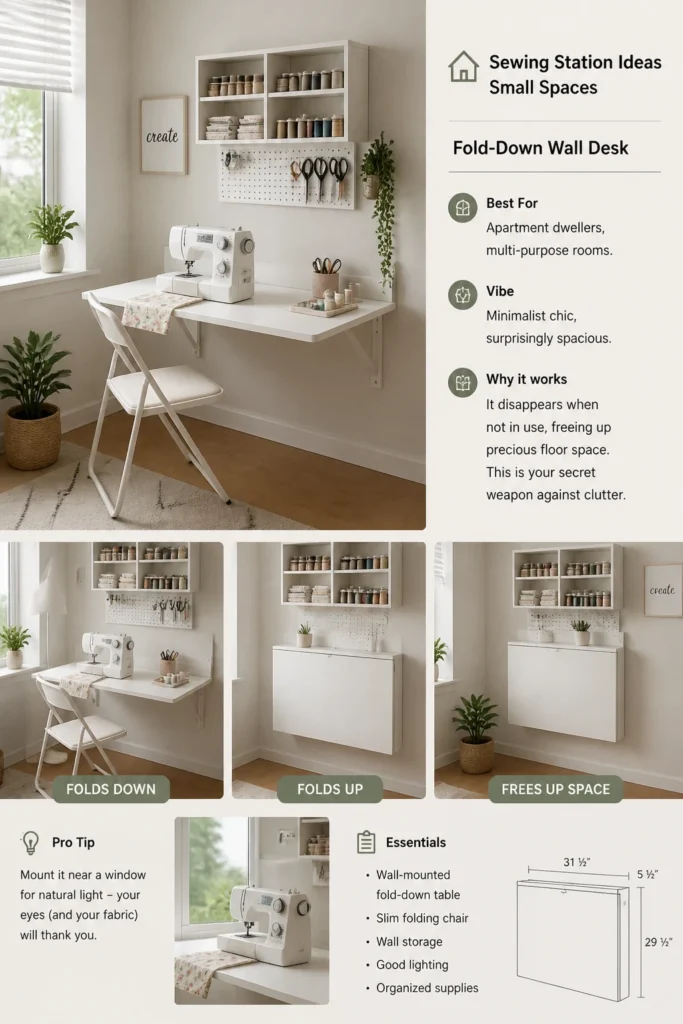
Pro Tip: Mount it near a window for natural light – your eyes (and your fabric) will thank you.
2. Rolling Cart Command Center
- Best For: Portable projects, shared living areas.
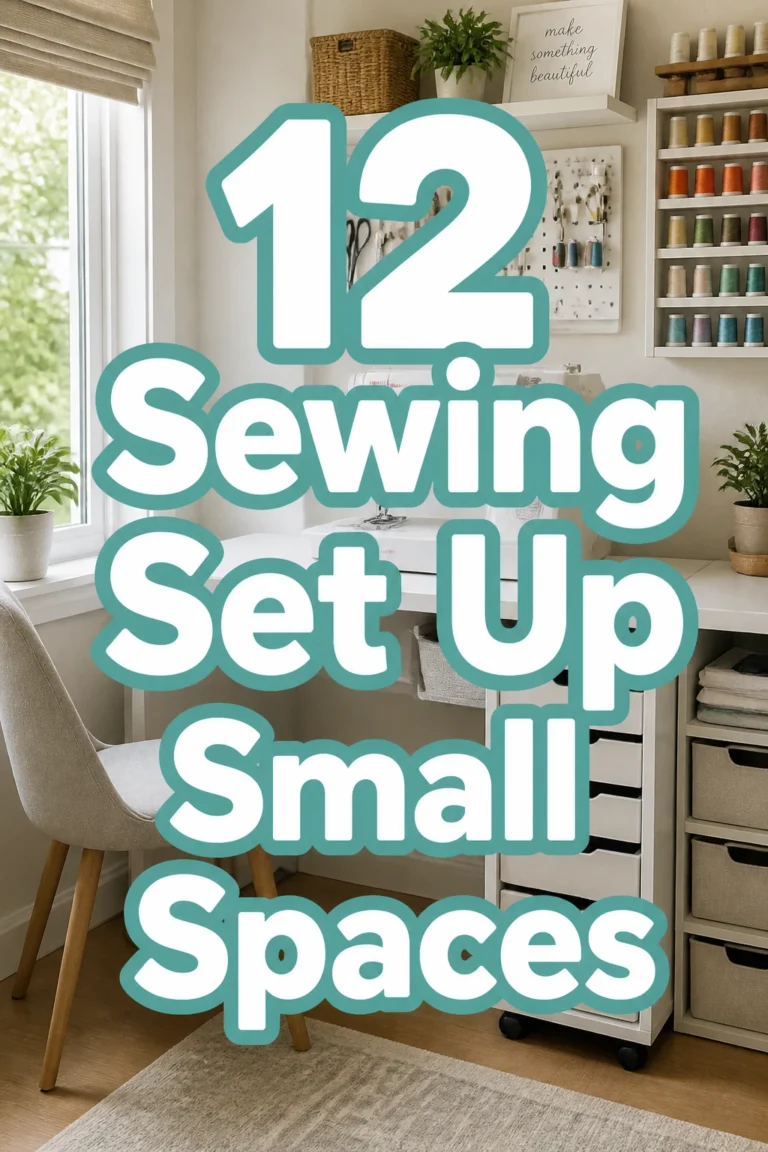
- Vibe: Mobile efficiency, craft on wheels.
- Why it works: You can literally roll your entire setup wherever you need it.
Grab a sturdy RÅSKOG utility cart (or a dupe, we don’t judge). Fill the tiers with thread, scissors, your mini iron, and a small cutting mat. When guests arrive, just roll it into a closet or under a bed. Easy peasy.
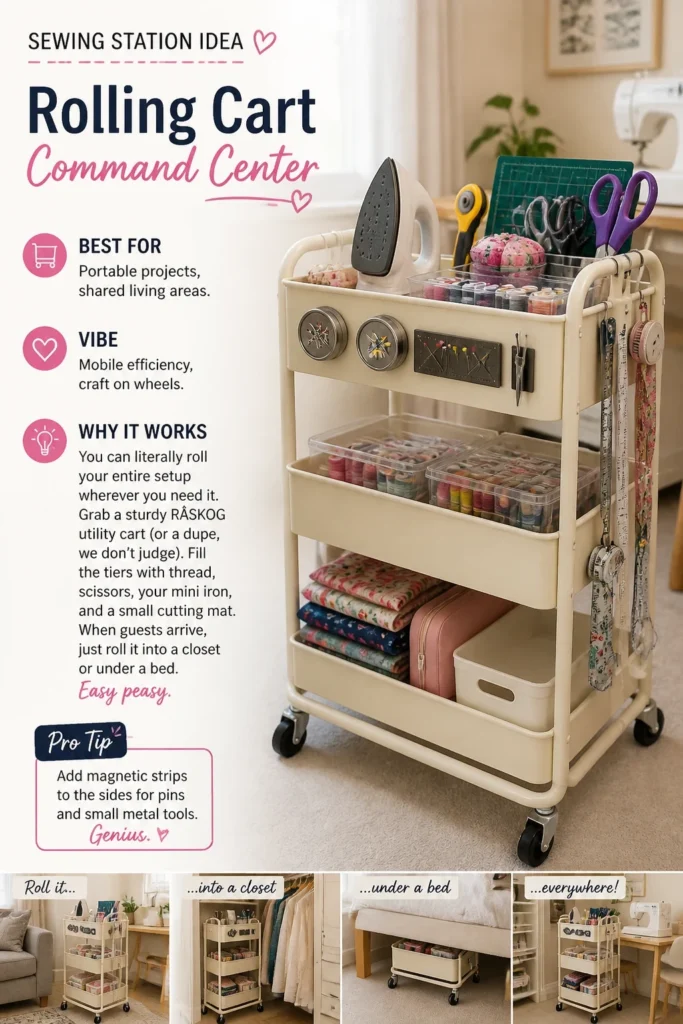
Pro Tip: Add magnetic strips to the sides for pins and small metal tools. Genius.
3. Closet Conversion Corner
- Best For: Dedicated crafters, hidden gems.
- Vibe: Secret hideaway, organized sanctuary.
- Why it works: It utilizes existing unused space, keeping your craft out of sight.
Empty out that linen closet you never use (admit it, you have one). Install a sturdy shelf at desk height, add some pegboard to the back, and maybe a small task light. Close the doors, and your sewing world vanishes.
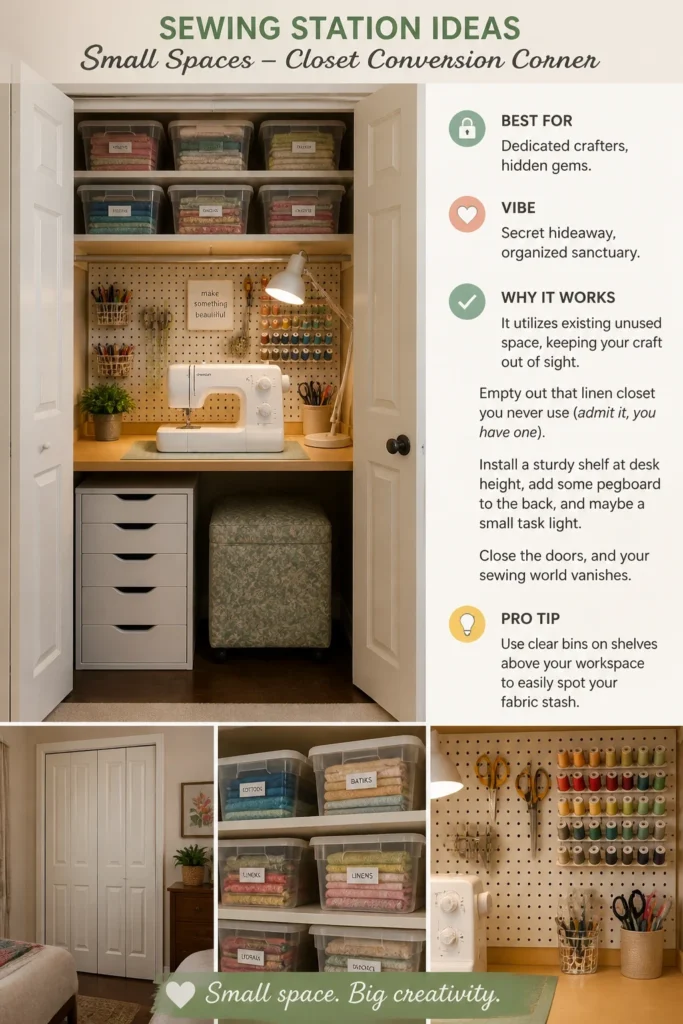
Pro Tip: Use clear bins on shelves above your workspace to easily spot your fabric stash.
4. Under-Bed Storage System
- Best For: Super small apartments, minimalists.
- Vibe: Discreet, efficient, out of sight.
- Why it works: It maximizes forgotten space, keeping your sewing supplies neatly stored.
Invest in some flat, wheeled under-bed storage containers. You can fit fabric, patterns, and even a compact sewing machine in these. Just pull them out when inspiration strikes, then slide them back into oblivion.
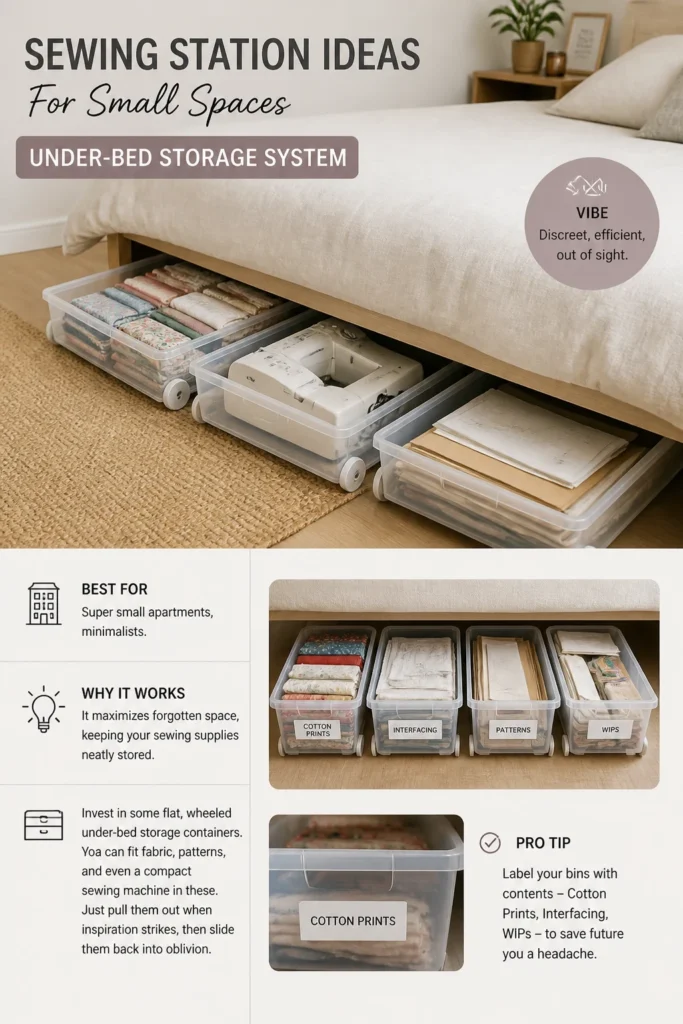
Pro Tip: Label your bins with contents – “Cotton Prints,” “Interfacing,” “WIPs” – to save future you a headache.
5. Entryway Console Desk
- Best For: Quick projects, visible organization.
- Vibe: Stylish integration, functional decor.
- Why it works: It blends into your existing decor while providing a discreet workspace.
Pick a slim console table, perhaps one with a drawer or two, in a chic wood tone or sleek black. This becomes your occasional sewing spot. Store your essentials in the drawers, keeping the surface clear for everyday use.
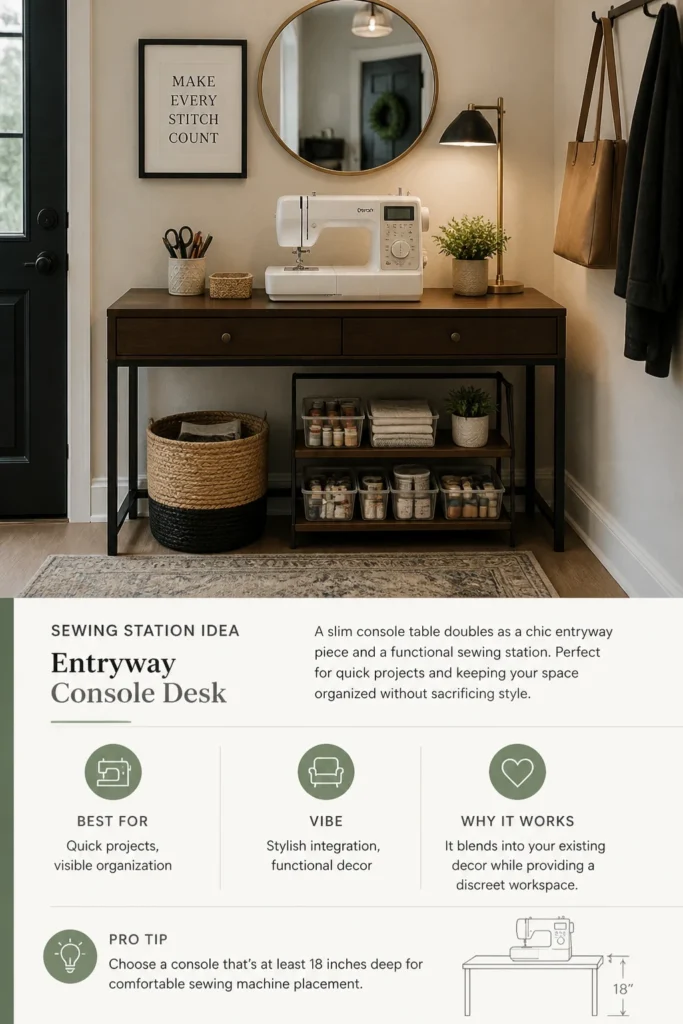
Pro Tip: Choose a console that’s at least 18 inches deep for comfortable sewing machine placement.
6. Floating Shelf Workstation
- Best For: Wall space maximizers, minimalist aesthetics.
- Vibe: Airy, modern, gravity-defying.
- Why it works: It uses vertical space without taking up any floor footprint.
Install a sturdy, long floating shelf at desk height. This works best for a lightweight machine and minimal tools. Add smaller floating shelves above for thread racks and notions.
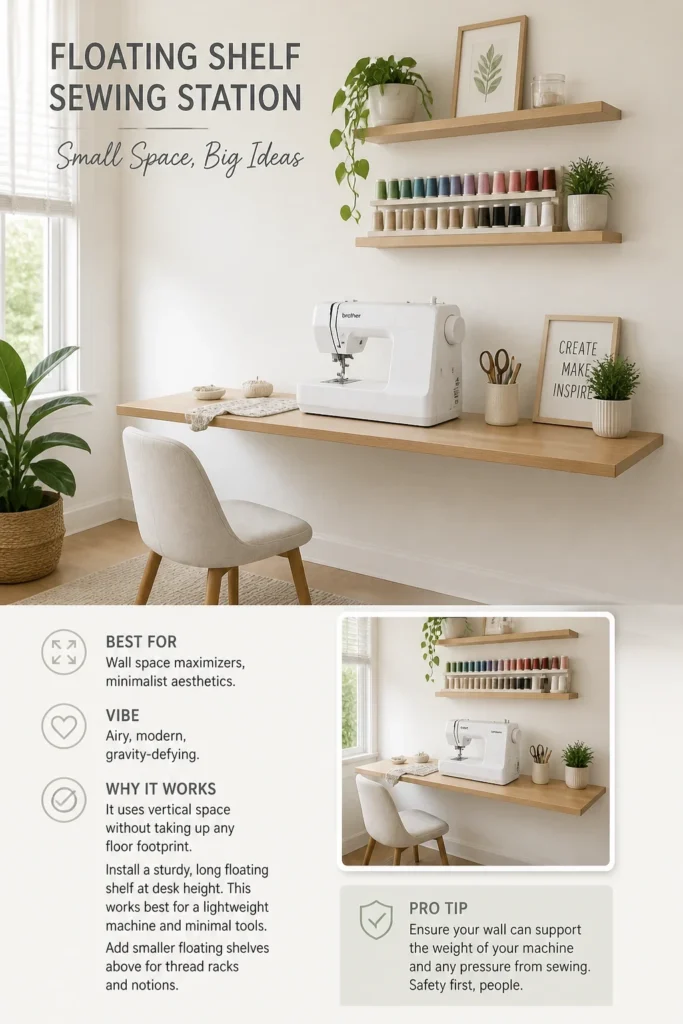
Pro Tip: Ensure your wall can support the weight of your machine and any pressure from sewing. Safety first, people.
7. Bookshelf Desk Combo
- Best For: Bookworms who sew, multi-functional furniture.
- Vibe: Cozy, intellectual, organized chaos.
- Why it works: It integrates a workspace into existing storage, doubling its utility.
Find a bookshelf with an open section or a pull-out shelf at a comfortable height. Your sewing machine lives there, surrounded by your favorite reads. It’s practical and looks utterly charming.
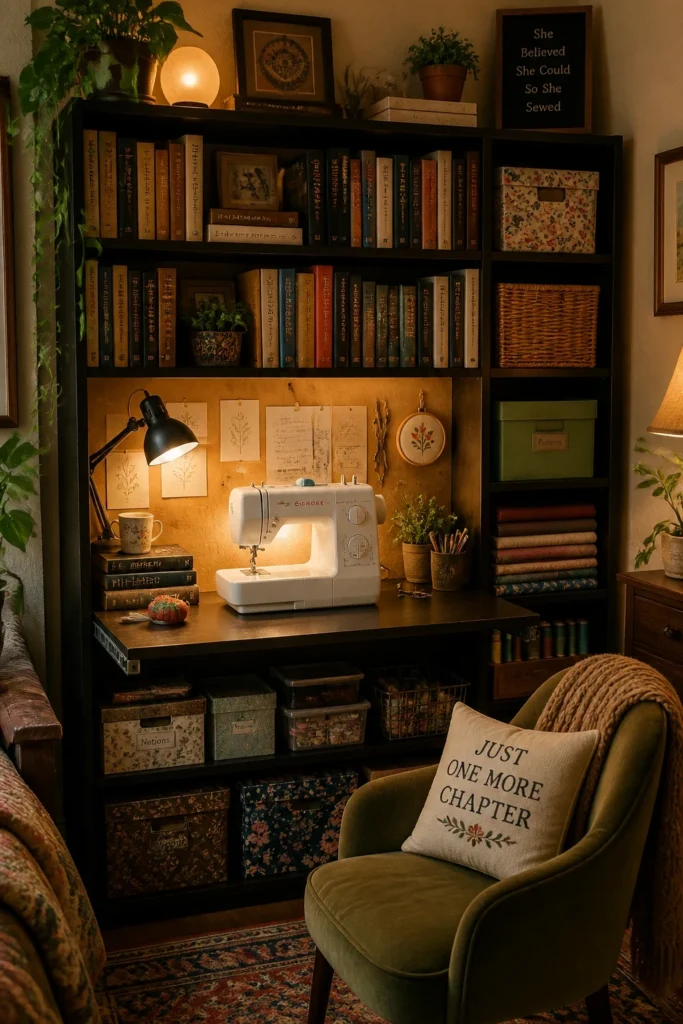
Pro Tip: Use decorative boxes or fabric bins on other shelves to hide less aesthetically pleasing supplies.
8. TV Tray Table Upgrade
- Best For: Ultra-temporary setups, couch crafters.
- Vibe: Relaxed, impromptu, “I just need to finish this hem.”
- Why it works: It’s super portable and can be stashed away in seconds.
Forget those flimsy old TV trays. Get a modern, sturdy version, perhaps one with a wooden top and metal legs. It’s perfect for hand sewing, mending, or a small travel machine. It folds flat and hides behind the sofa.
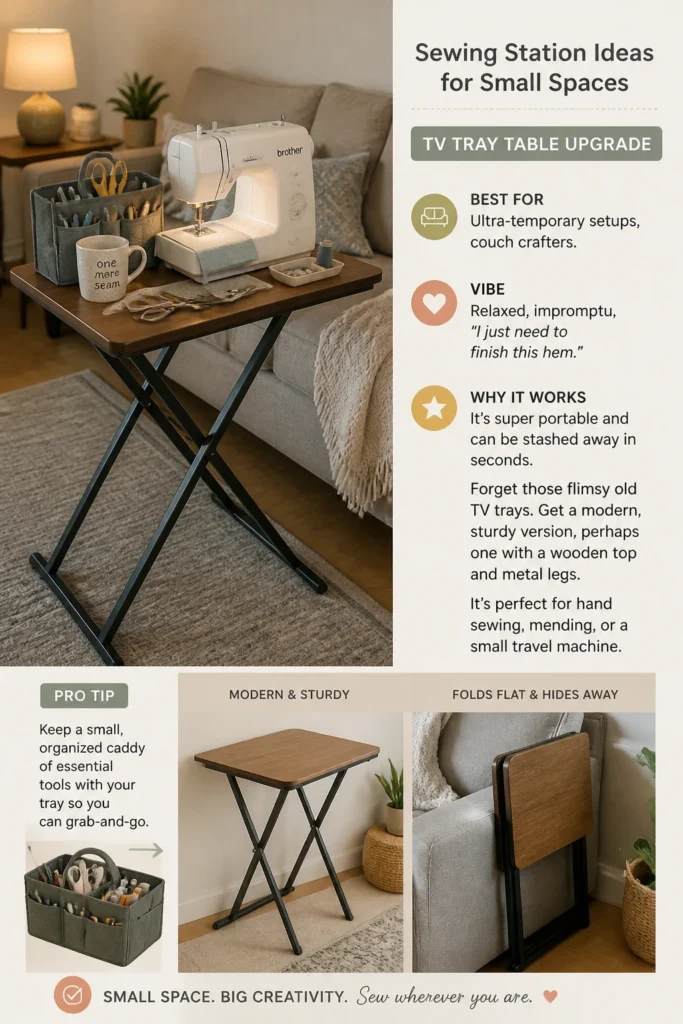
Pro Tip: Keep a small, organized caddy of essential tools with your tray so you can grab-and-go.
9. Hidden Drawer Desk
- Best For: Seamless integration, ultimate discretion.
- Vibe: Sleek, minimalist, “where did that come from?”
- Why it works: Your sewing setup is literally tucked away inside a drawer.
Some desks come with an extra-deep, pull-out drawer designed for keyboards. Re-purpose it for your sewing machine. It might sound wild, but it’s brilliant for vanishing act enthusiasts.
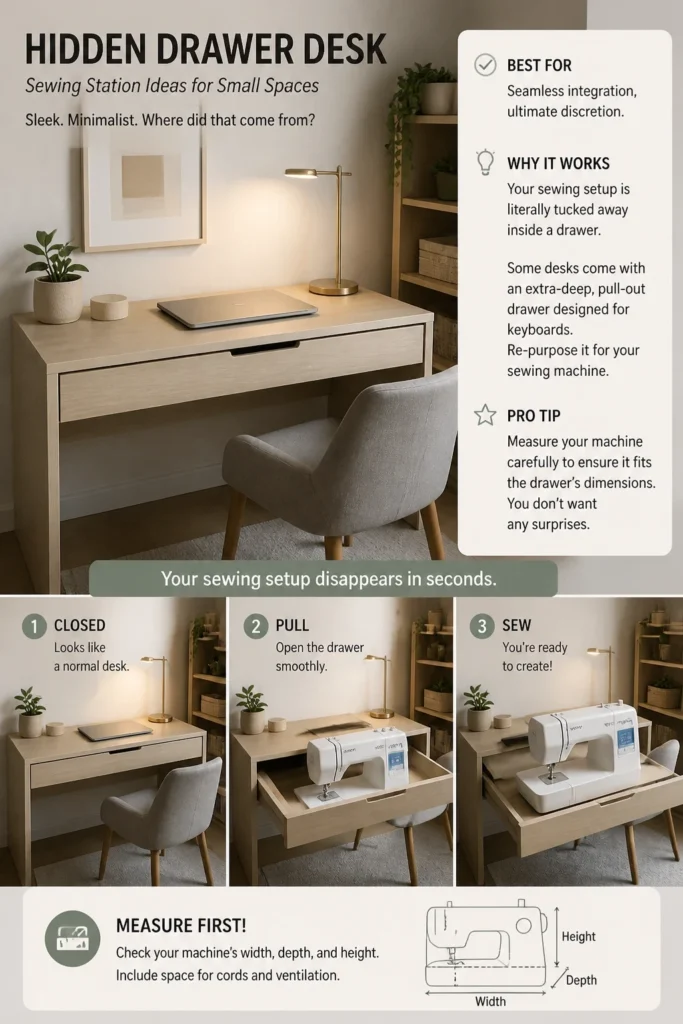
Pro Tip: Measure your machine carefully to ensure it fits the drawer’s dimensions. You don’t want any surprises.
10. The Portable Sewing Box
- Best For: Minimalist sewers, those with no dedicated space.
- Vibe: Old-school charm, ready-for-anything.
- Why it works: It keeps all your essentials in one grab-and-go container.
Think of a vintage-style wooden sewing box, but super-sized. Fill it with everything you need, then use any available surface – kitchen counter, coffee table – as your temporary workstation. Pack it up when you’re done.
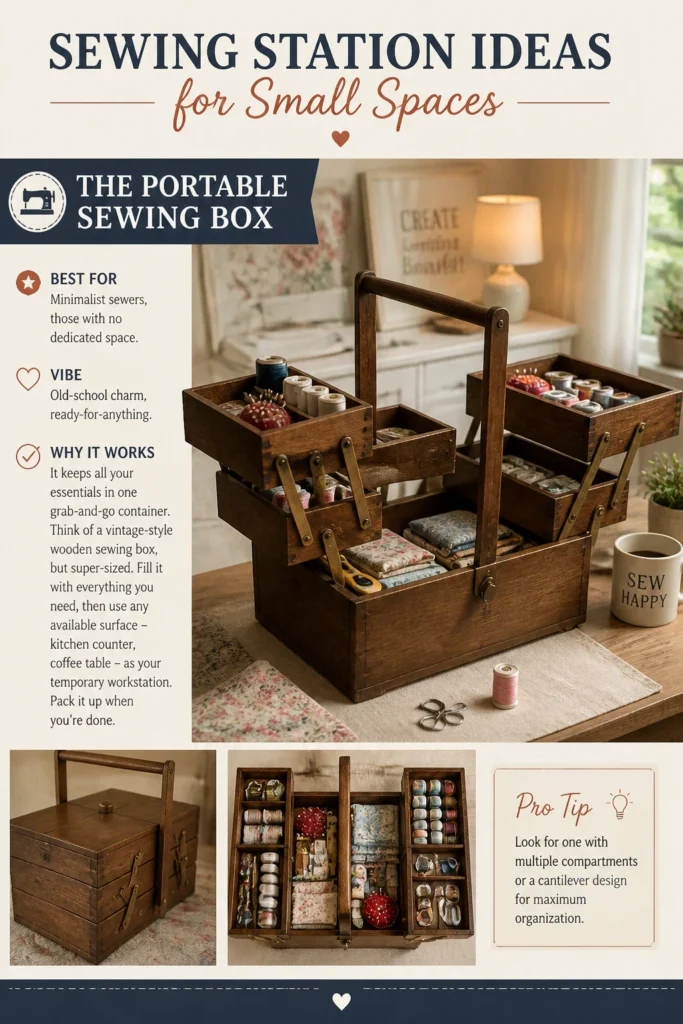
Pro Tip: Look for one with multiple compartments or a cantilever design for maximum organization.
11. Window Nook Workspace
- Best For: Natural light lovers, cozy corners.
- Vibe: Bright, inviting, charming.
- Why it works: It capitalizes on often-unused space and provides excellent lighting.
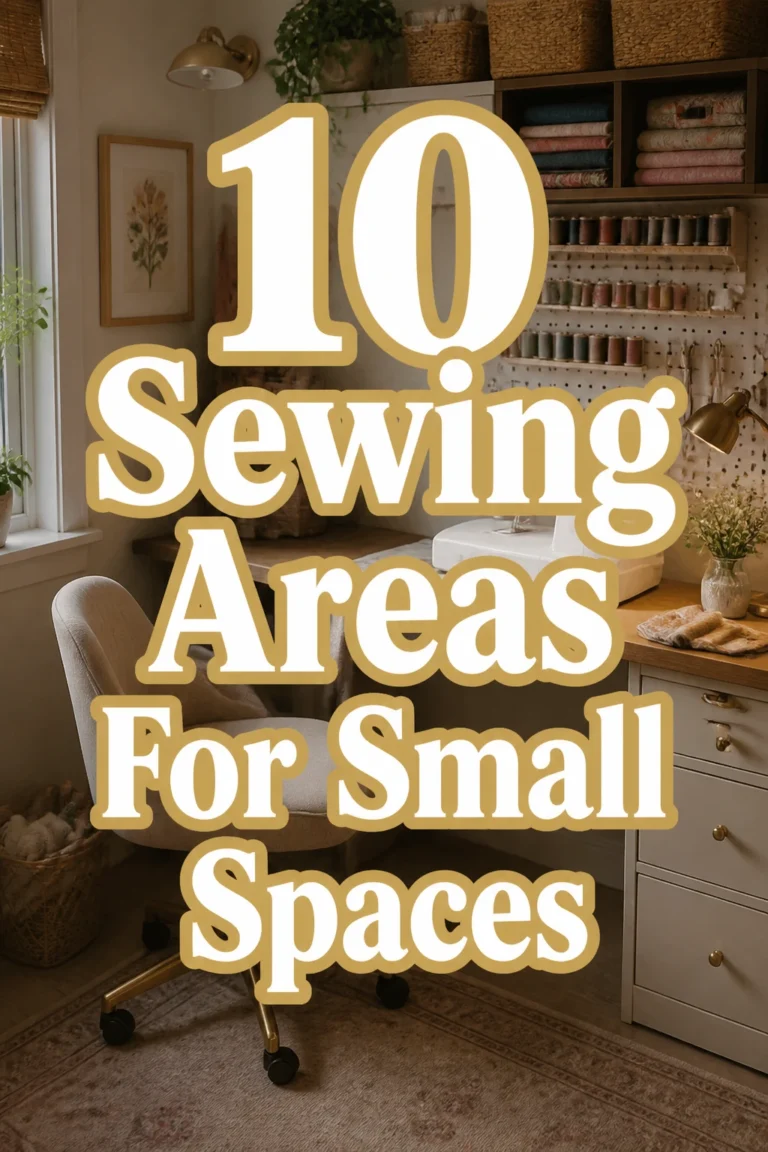
If you have a wide windowsill or a small alcove by a window, transform it. A custom-cut piece of wood can extend the sill into a small desk. Add a cushion for comfy seating.
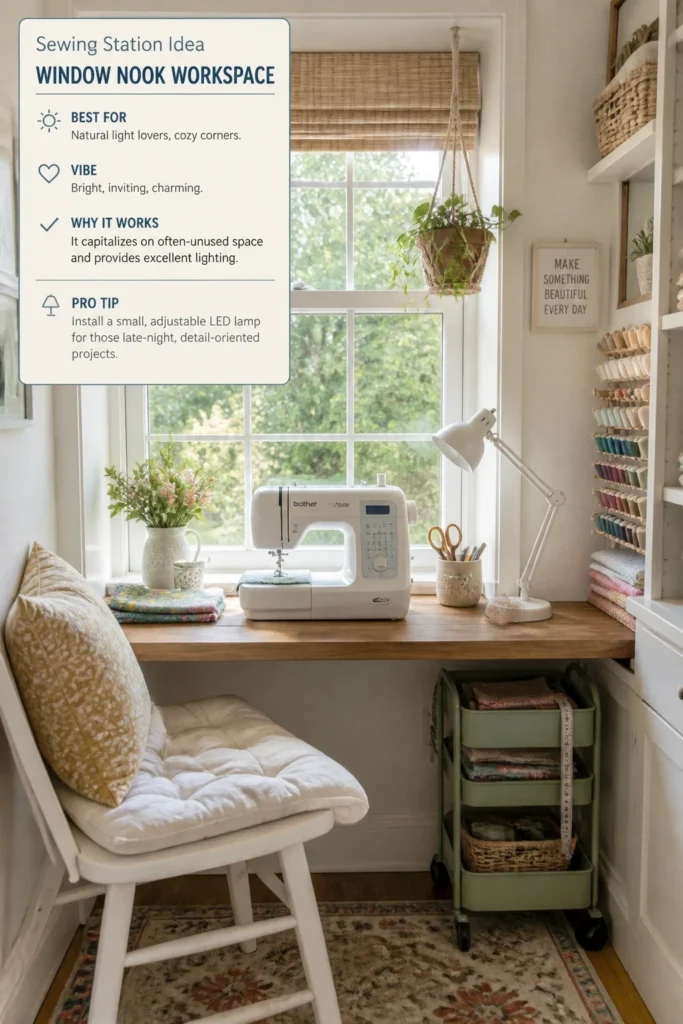
Pro Tip: Install a small, adjustable LED lamp for those late-night, detail-oriented projects.
12. Vertical Storage Wall
- Best For: Serious sewers with limited floor space.
- Vibe: Industrial chic, hyper-organized.
- Why it works: It gets everything off the floor and onto the walls, leaving your small work surface clear.
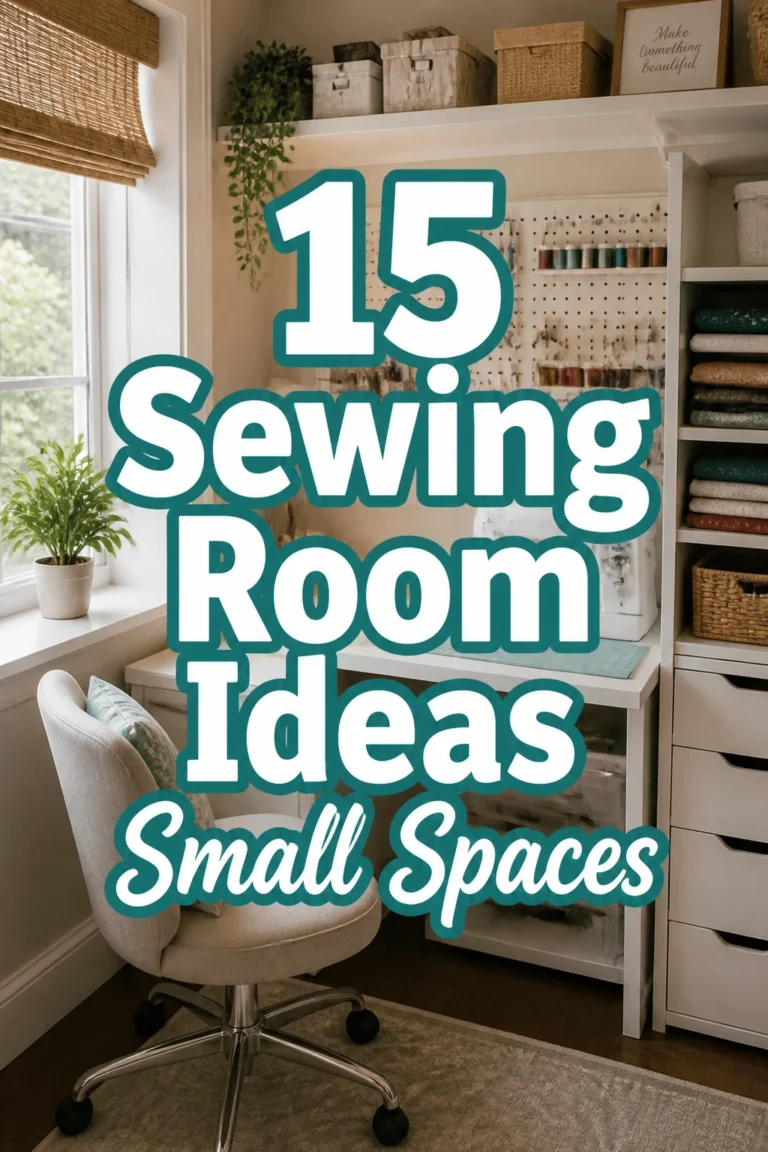
Use pegboards, magnetic strips, and wall-mounted bins. Hang thread spools, tools, cutting mats (vertically!), and even fabric swatches. Your sewing machine gets a small, dedicated table below.
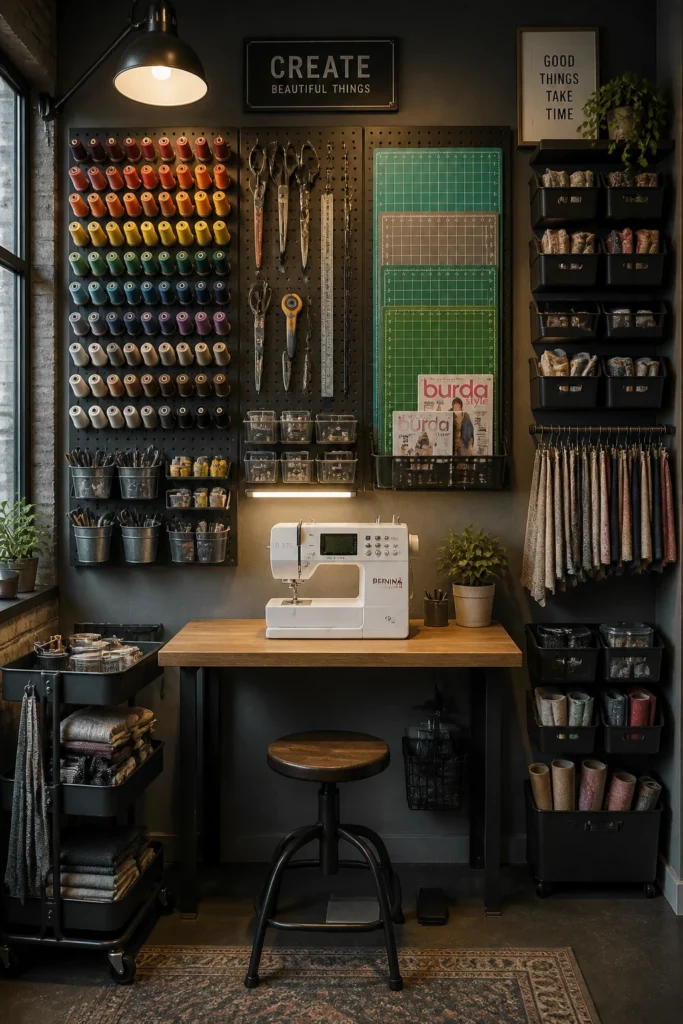
Pro Tip: Color-code your thread on the pegboard for both aesthetics and quick access.
13. Dining Table Transformation
- Best For: Temporary setups, social sewers.
- Vibe: Adaptable, communal (but maybe not for long).
- Why it works: It leverages existing furniture for a large, temporary workspace.
Okay, we know you’re already doing it, but let’s make it intentional. Use a large, heavy-duty cutting mat to protect your table. Keep all your sewing essentials in a nearby rolling cart or storage tote. Set up, work, clean up.
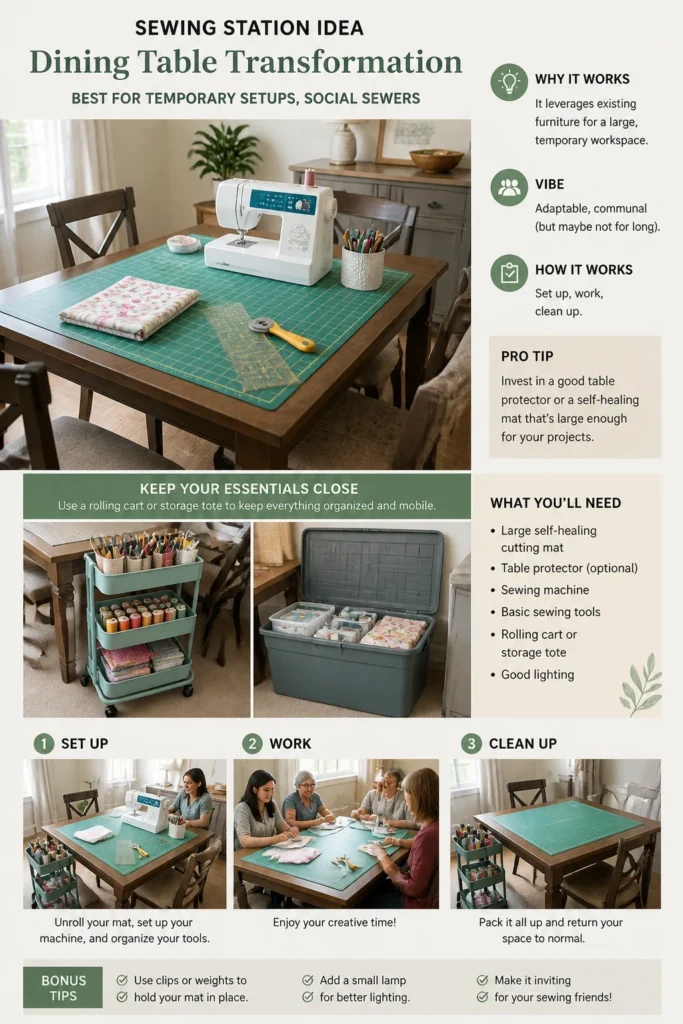
Pro Tip: Invest in a good table protector or a self-healing mat that’s large enough for your projects.
14. Portable Laptop Desk
- Best For: Minimalist hand sewers, menders.
- Vibe: Ultra-compact, on-the-go.
- Why it works: It’s tiny, lightweight, and perfect for quick, small tasks.
A small, adjustable laptop desk can serve as a perfect mini-station for hand-sewing, button repairs, or even using a tiny travel sewing machine. It folds flat and tucks away anywhere.
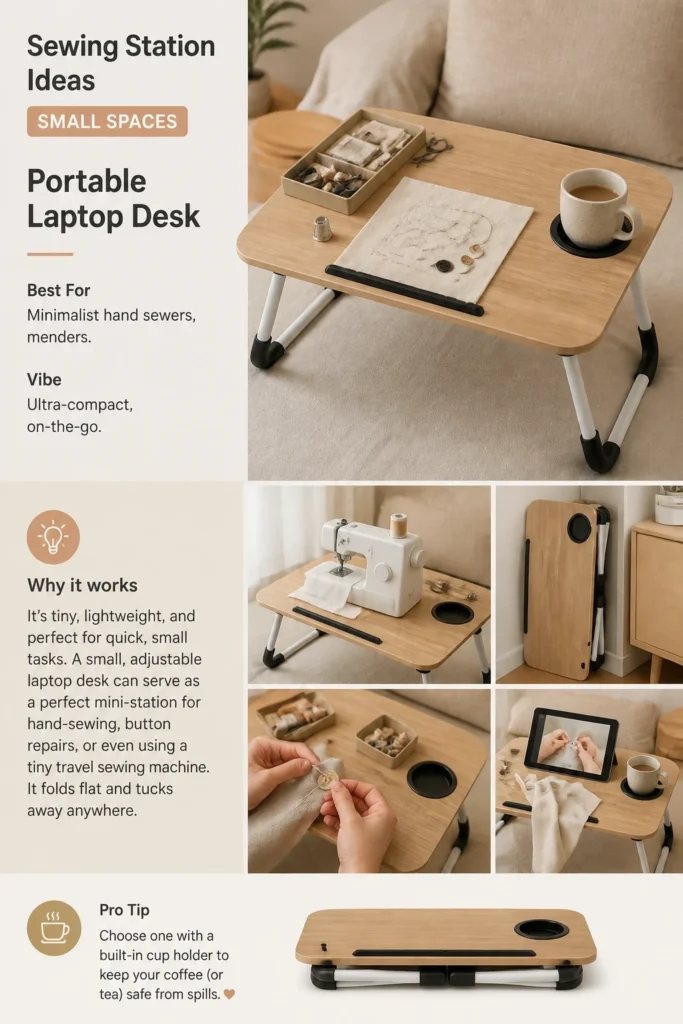
Pro Tip: Choose one with a built-in cup holder to keep your coffee (or tea) safe from spills.
Our Top Recommended Finds
- A sturdy rolling utility cart: Seriously, these things are a game-changer for keeping everything portable and organized, whether it’s thread or snacks.
- Heavy-duty self-healing cutting mat: Protect your precious surfaces (and your blades) while giving you a clear, measured workspace.
- Clear, stackable storage bins: Because seeing your stash means using your stash, and nobody wants to dig through a mystery box of fabric scraps.
Which of these will you try first?
See? Even the tiniest nook can become a powerhouse of creativity. No more excuses for that pile of fabric taking over your couch.
Now go forth and craft, you magnificent maker! Which brilliant small-space solution are you tackling first? Tell us in the comments!