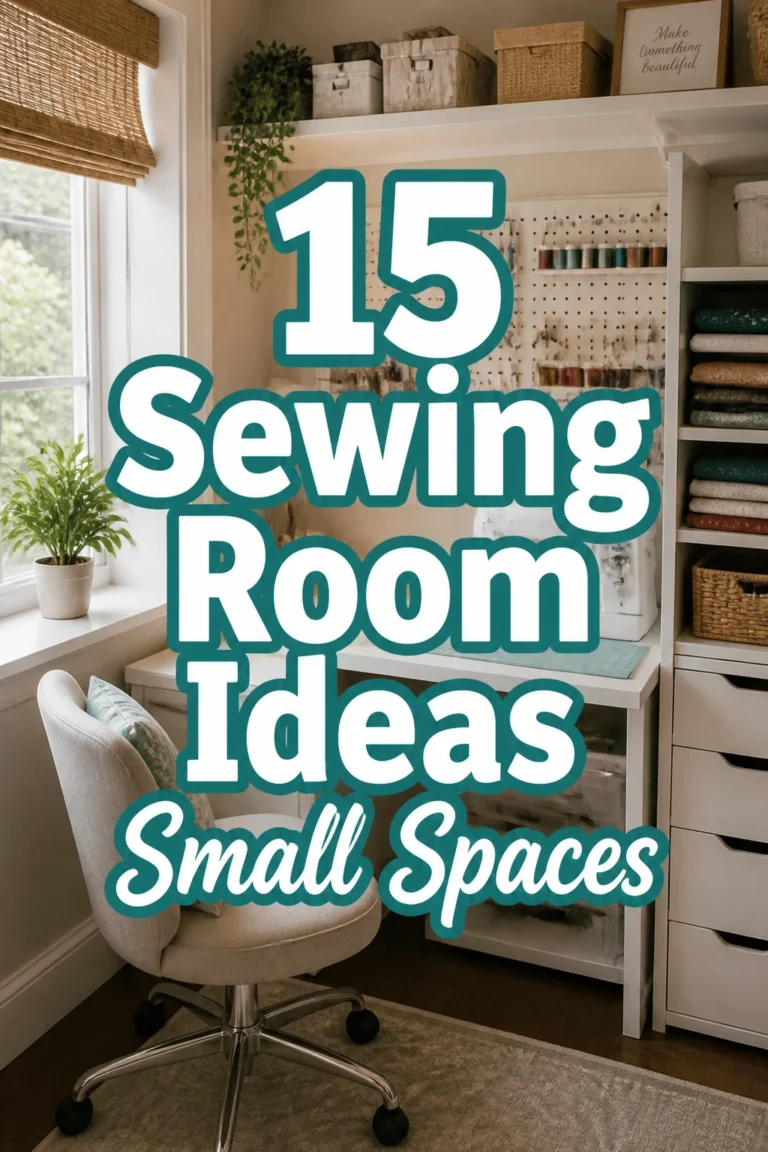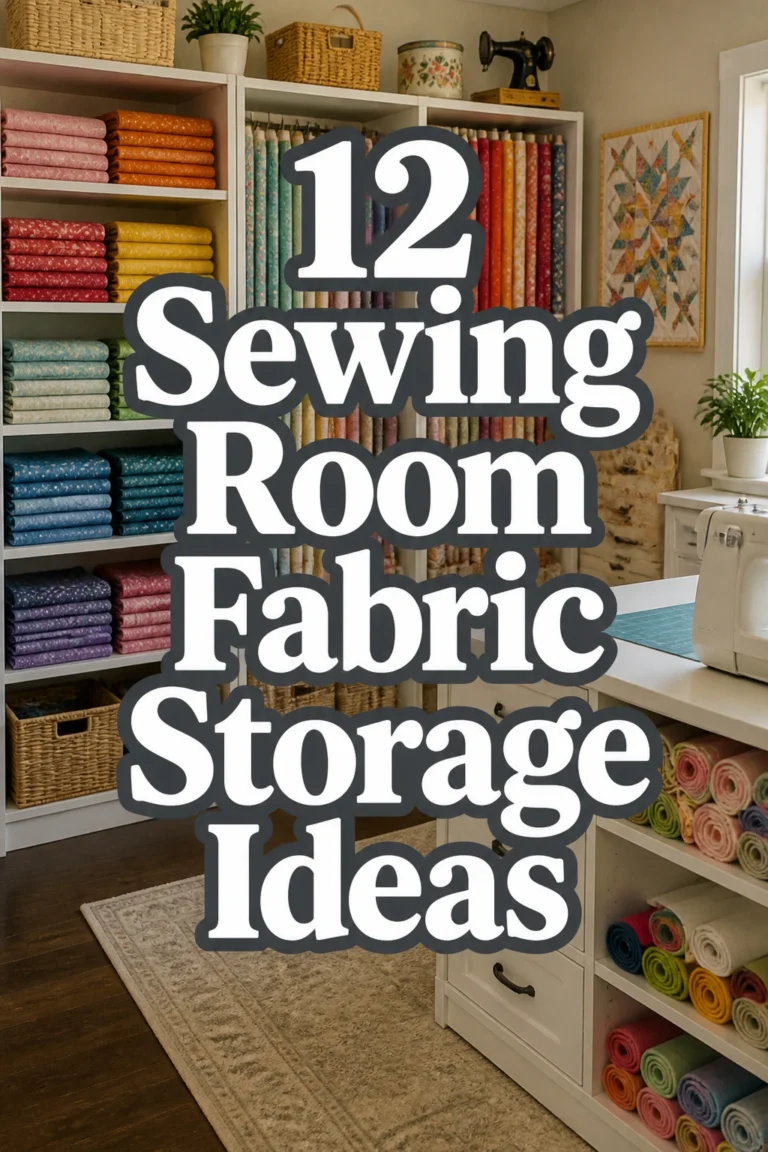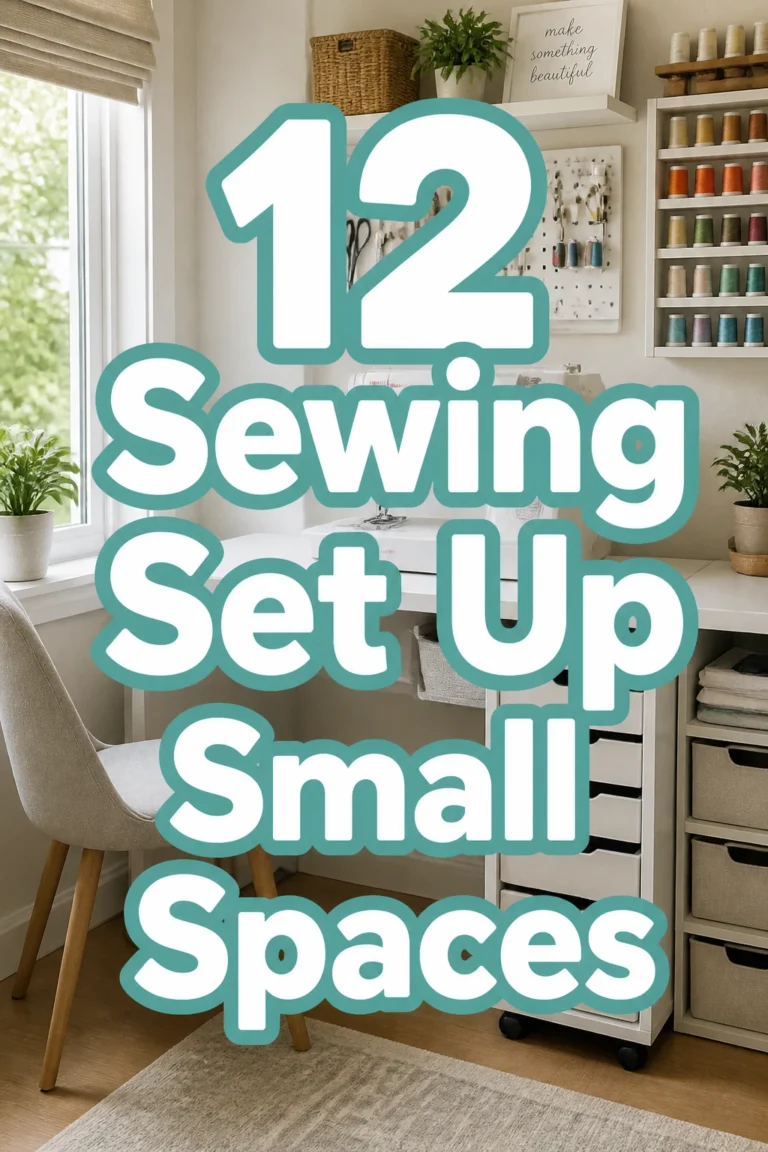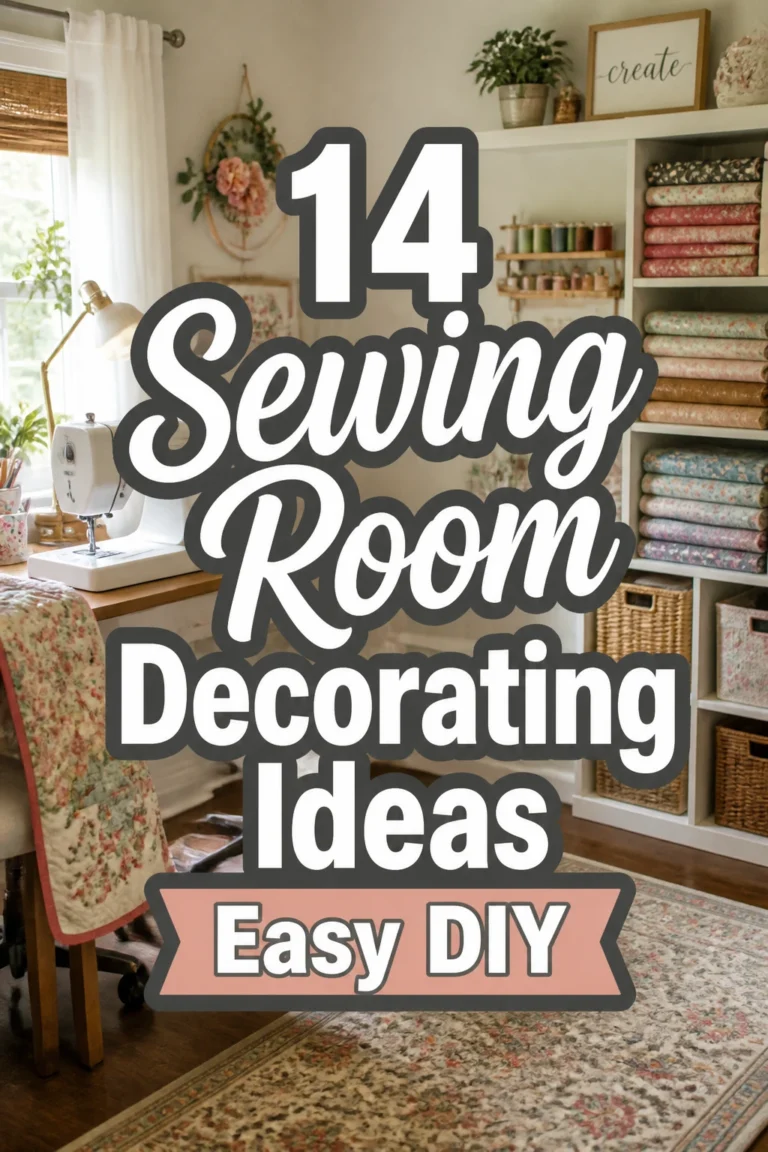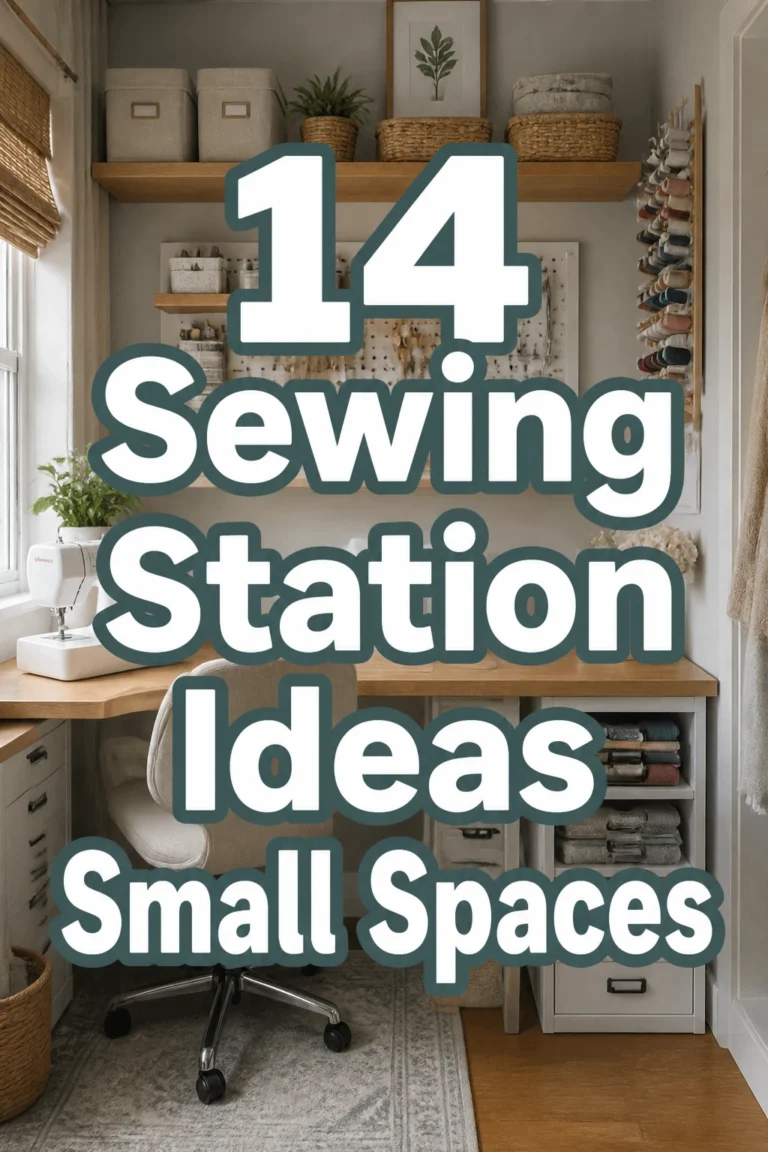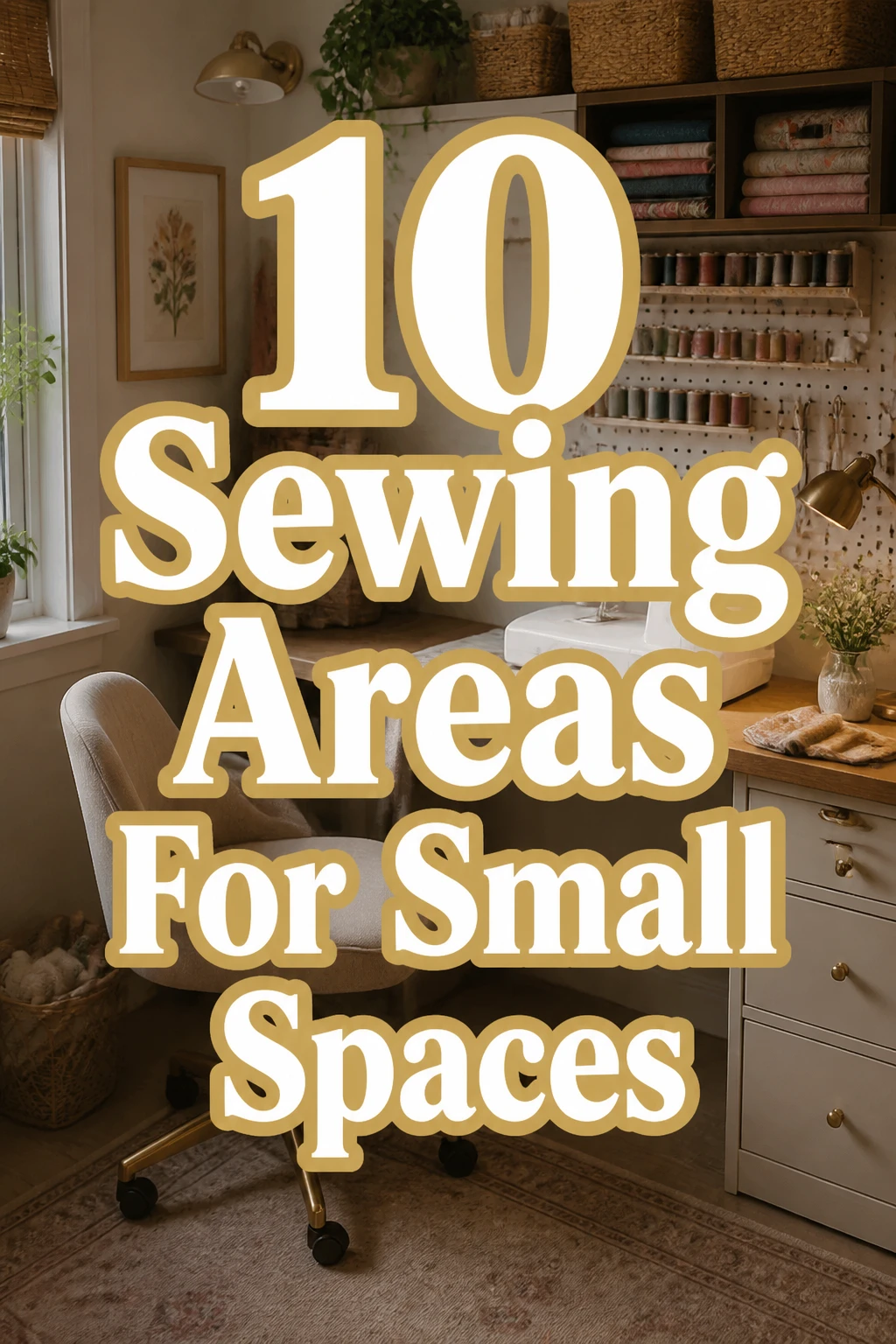
10 Sewing Areas For Small Spaces
Okay, let’s be real. Your fabric stash is probably threatening to take over your entire living space.
Finding a dedicated spot for your creative chaos in a tiny apartment feels like a mission impossible, right?
Don’t fret, fellow craft addict. We’ve got some seriously clever hacks to carve out your dream sewing sanctuary, even if you’re working with a shoebox.
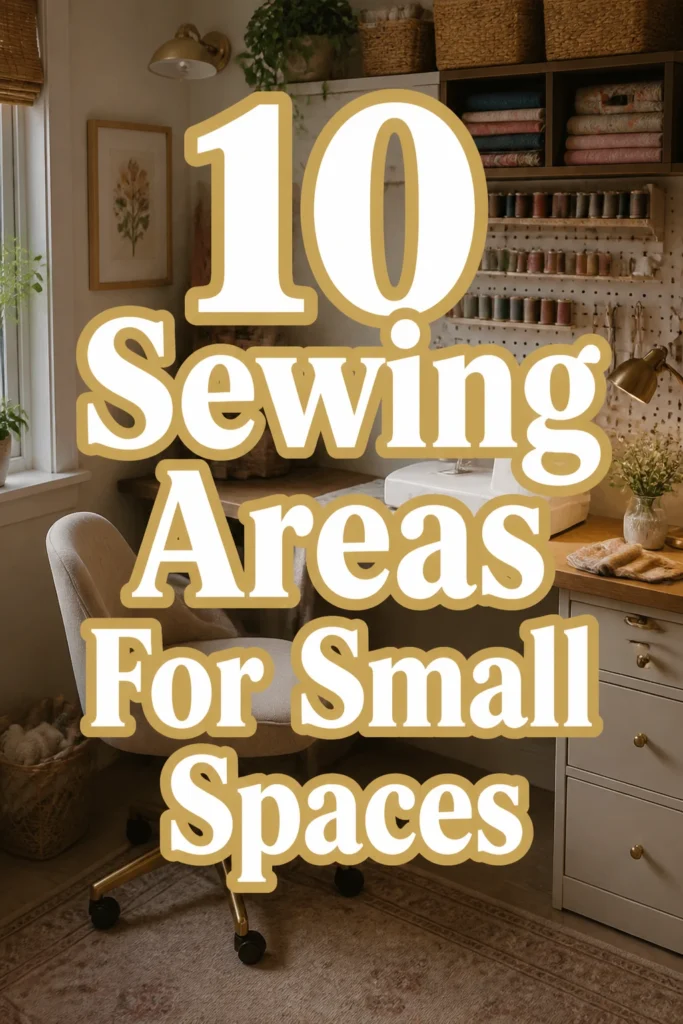
1. The Closet Nook Conversion
- Best For: Hidden gems, guest-ready spaces
- Vibe: Secret lair, surprisingly organized
- Why it works: Utilizes existing dead space for a dedicated, tuck-away zone.
Got a spare closet that’s just collecting forgotten dreams and old coats? Time to evict those dust bunnies and transform it into a sewing haven.
Install a sturdy shelf at desk height for your machine, add some pegboard on the back wall for tools, and maybe even a small rolling cart for thread storage. Use a crisp white paint inside for maximum brightness.
Pro Tip: Add battery-operated puck lights or a stick-on LED strip for immediate illumination without an electrician.
2. The Fold-Down Wall Desk
- Best For: Multi-use rooms, minimalist aesthetics
- Vibe: Clever, space-saving genius
- Why it works: Disappears when not in use, freeing up precious floor space.
This is for those who truly believe less is more, and then regret it when they have no sewing surface. Install a wall-mounted desk that folds up when you’re done, usually with a latch mechanism.
Look for models with built-in shelves on the inside for your notions, or add your own small caddies. A natural wood finish keeps it chic and blends seamlessly into any room.
Pro Tip: Ensure the desk is deep enough for your machine and a small cutting mat; a standard 18-20 inch depth is usually sufficient.
3. The Rolling Cart Station
- Best For: Flexible workspaces, renters
- Vibe: Mobile, adaptable, low-commitment
- Why it works: Allows you to move your entire setup wherever inspiration strikes, then tuck it away.
Your crafting doesn’t have to be static. Grab a sturdy 3-tier rolling cart, like the popular RÅSKOG from IKEA, and dedicate each shelf.
Top shelf for your machine, middle for fabric scraps and scissors, bottom for patterns and a small iron. It costs around $30-40 and comes in various colors like black, white, or mint green.
Pro Tip: Attach magnetic containers to the side of the cart for pins, clips, and other tiny bits that always go missing.
4. Under-Bed Storage Desk
- Best For: Studio apartments, ultimate stealth mode
- Vibe: Ingenious, truly invisible
- Why it works: Hides your entire operation beneath your bed, out of sight, out of mind.
If your bed is elevated, you’ve got prime real estate. Think about a low-profile desk on wheels that slides completely under your bed when not in use.
You’ll need a low-profile chair or floor cushion, but the ability to vanish your sewing zone is priceless. Opt for a sleek white or light grey desk to keep the area feeling open.
Pro Tip: Measure your bed frame clearance precisely. Some beds offer up to 12-15 inches of space, perfect for a compact setup.
5. The Bookshelf Insert
- Best For: Bookworms, shared spaces
- Vibe: Integrated, surprisingly chic
- Why it works: Transforms a single shelf in an existing unit into a mini sewing station.
That big old bookshelf isn’t just for dusty novels anymore. Clear out a couple of shelves, preferably at waist height, to create a small sewing nook.
Use a sturdy, removable cutting mat to protect the shelf surface and store your machine directly on it. Add some small, decorative baskets for notions on the shelves above or below.
Pro Tip: Install a small LED strip light directly under the shelf above your workspace for focused task lighting.
6. The Window Nook Workstation
- Best For: Natural light lovers, small kitchens/dining areas
- Vibe: Bright, airy, inspiring
- Why it works: Capitalizes on natural light and often unused wall space near a window.
Who needs a fancy studio when you have a window? Place a narrow, wall-mounted shelf or a console table directly under a window to leverage that glorious daylight.
This setup means no more squinting at dark threads. Choose a light-colored table, maybe a pale birch or white, to enhance the brightness.
Pro Tip: Install a tension rod with a sheer curtain to diffuse harsh afternoon sun without blocking light completely.
7. The Corner Desk Savior
- Best For: Awkward corners, maximizing every inch
- Vibe: Efficient, perfectly fitted
- Why it works:: Utilizes often-wasted corner space, creating a surprisingly spacious feel.
Corners are notorious for being dead zones, but not anymore. A small, purpose-built corner desk can be a game-changer for your sewing adventures.
These desks often come with built-in storage or allow for easy integration of small drawer units underneath. Look for a simple L-shaped design in a compact size, perhaps 30×30 inches on each side.
Pro Tip: Mount a small, adjustable wall lamp above the corner desk to save surface space and provide direct light.
8. The Portable Sewing Box
- Best For: Hyper-minimalists, occasional sewers
- Vibe: Ready-to-go, grab-and-stitch
- Why it works: Contains everything you need in one grab-and-go unit, no dedicated space required.
Sometimes, the “area” is just the box itself. Invest in a high-quality, multi-compartment sewing box or a clear plastic storage bin with a lid and handle.
Fill it with your machine, essential tools, and current project. When inspiration strikes, pull it out, set up on your dining table, and put it all away when dinner calls.
Pro Tip: Label smaller internal containers within the box for needles, bobbins, and zippers to maintain peak organization.
9. The Closet Door Organizer
- Best For: Vertical storage, tiny apartments
- Vibe: Up-and-away, surprisingly spacious
- Why it works: Uses vertical space on the back of a door for thread, notions, and small tools.
Don’t just hang clothes on that closet door; hang your sewing supplies. An over-the-door shoe organizer with clear pockets is perfect for thread spools, scissors, and measuring tape.
For heavier items, a sturdy over-the-door caddy with deeper pockets works wonders. This keeps your workspace clear and your essentials visible.
Pro Tip: Use small carabiners to hang rulers or cutting mats from the top of the door organizer for easy access.
10. The Repurposed Dresser
- Best For: Dual-purpose furniture, vintage lovers
- Vibe: Shabby chic, cleverly disguised
- Why it works: Provides a sturdy work surface and ample storage in one existing piece.
That old dresser gathering dust? Give it a new lease on life as your sewing command center. The top surface becomes your workspace, and the drawers are prime real estate for fabric and tools.
Consider painting it a bold color, like a deep teal or mustard yellow, to make it a statement piece. You can even remove a top drawer and insert a custom pull-out shelf for your machine.
Pro Tip: Line the drawers with non-slip mats or fabric to prevent spools and notions from rolling around.
Our Top Recommended Finds
To get your tiny sewing setup truly humming, consider these key helpers.
- Collapsible Cutting Mat: Perfect for protecting surfaces and folding away when not in use. Look for self-healing options around 18×24 inches.
- Stackable Clear Storage Bins: Keep your fabric scraps, bobbins, and notions visible and organized without adding visual clutter.
- Mini Steam Iron: Essential for crisp seams and pressing, these compact irons are perfect for small spaces and don’t take up much room.
Which of these will you try first?
See? No excuses now. Even the smallest nook can become a powerhouse of creativity with a little ingenuity and maybe a dash of cheeky ambition.
So, tell us, which tiny sewing area hack are you totally stealing for your own space?