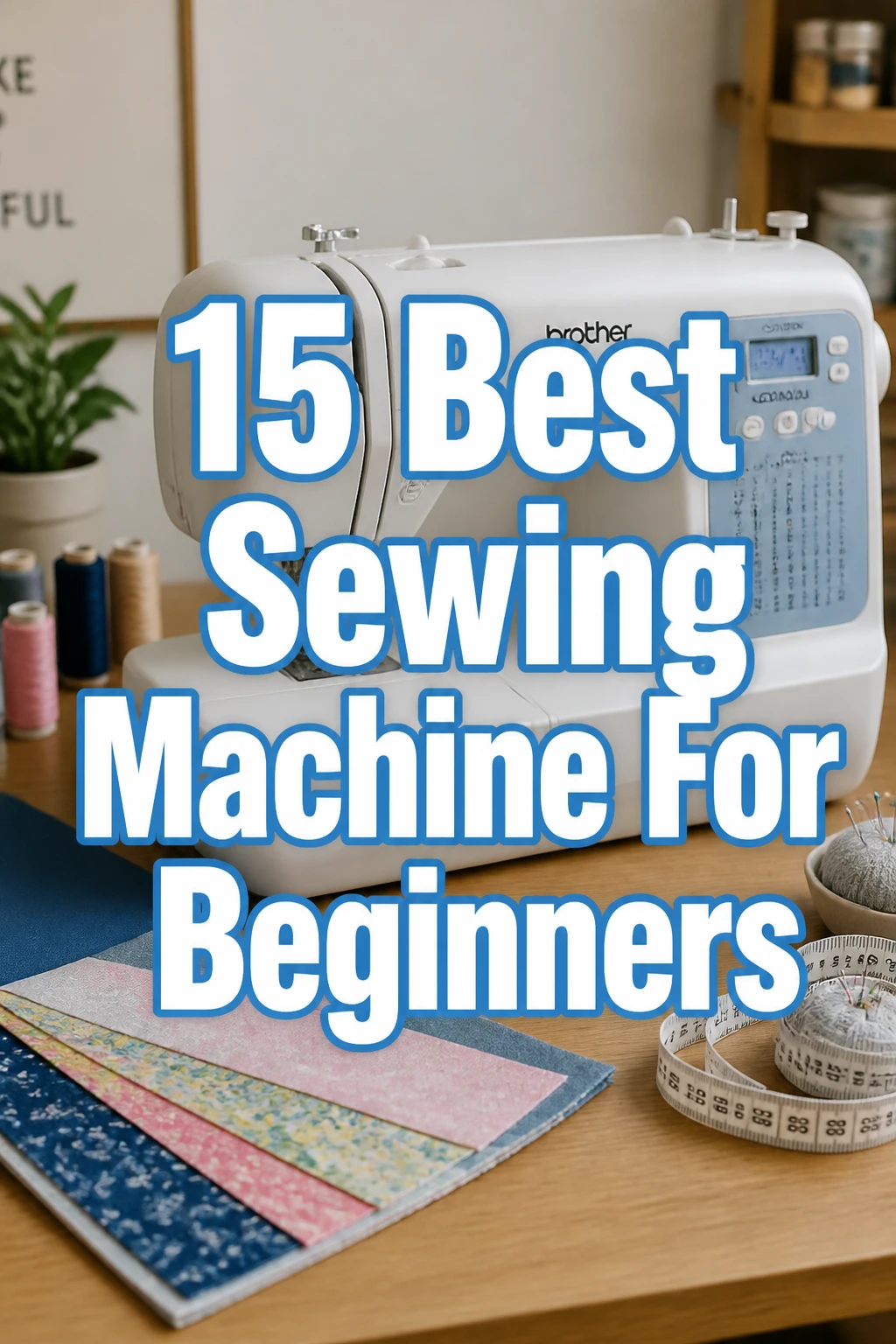
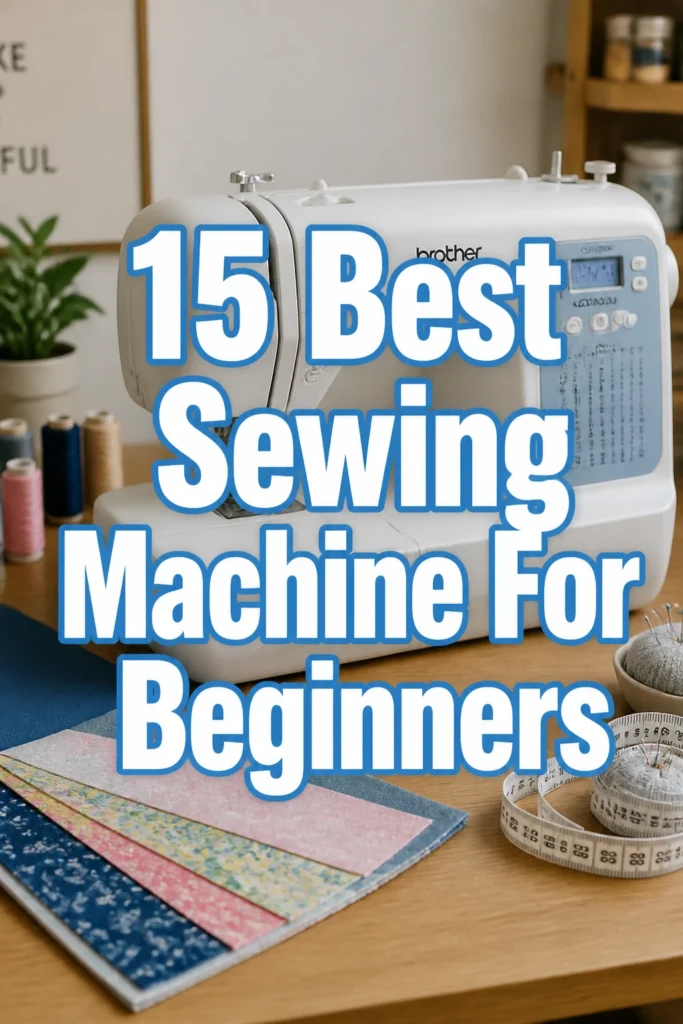
15 Best Sewing Machine For Beginners
Stuck trying to pick your first sewing machine?
We totally get it. The options can feel endless, like trying to choose just one flavor of gelato.
But don’t you worry, because we’ve stitched together the ultimate guide.
Here are 15 top-notch machines that will have you creating in no time.
1. The Ultra-Simple Mechanical Marvel
- Best For: Absolute beginners tackling basic repairs and simple projects.
- Vibe: No-frills, dependable, like your favorite comfy jeans.
- Why it works: It keeps things straightforward, focusing on core sewing functions without overwhelming features.
This machine is your entry ticket into the sewing world, often priced around $100-$150. Think a Singer Tradition 2277. It typically offers 6-10 essential stitches, perfect for mending a hem or whipping up a tote bag in a classic cream or white finish.
Pro Tip: Look for models with a top-drop bobbin; they are a dream to thread.
2. The Computerized Comfort Zone
- Best For: Tech-savvy beginners who appreciate a few extra automated features.
- Vibe: Modern, user-friendly, like a smart appliance for your craft room.
- Why it works: Digital controls and automatic settings take some guesswork out of stitch selection and tension.
Stepping up a notch, this type might include models like the Brother CS6000i, usually in the $180-$250 range. It boasts an LCD screen and often comes in sleek silver and white. You’ll find handy features like speed control and a few dozen decorative stitches, making it perfect for custom pillow covers or kids’ clothing.
Pro Tip: Practice with scrap fabric to get a feel for the computerized stitch options before diving into your main project.
3. The Heavy-Duty Helper (Beginner Edition)
- Best For: Those dreaming of denim, canvas, or even light leather projects.
- Vibe: Robust, reliable, ready to tackle anything you throw at it.
- Why it works: Stronger motors and frames mean less struggle with thicker fabrics.
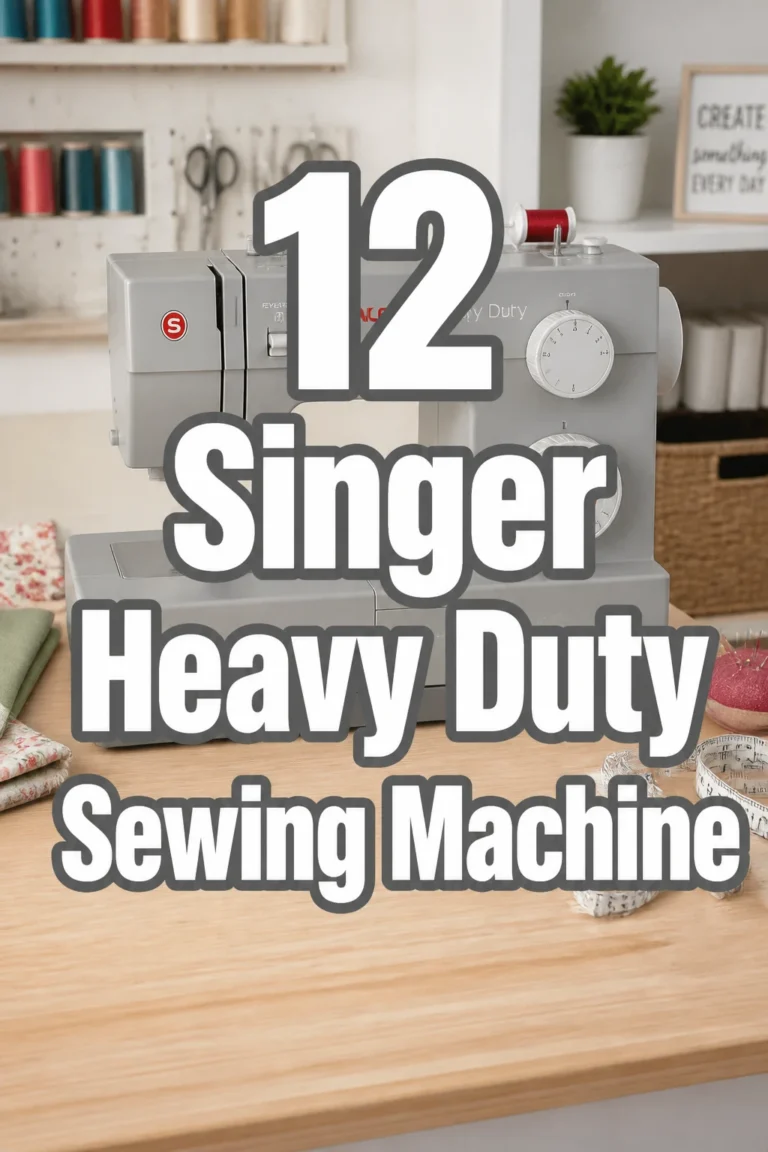
If you’re eyeing projects that involve sturdy materials, a beginner-friendly heavy-duty machine is your pal. Think the Singer 4423 Heavy Duty, often around $180-$220. These machines are usually metallic grey or black, built like tanks, and can stitch through multiple layers of denim without a hiccup. Say goodbye to wobbly seams on your new tote bag.
Pro Tip: Always use the correct needle size and type for your fabric to prevent breakage and skipped stitches.
4. The Portable Pal
- Best For: Small living spaces, sewing classes, or crafters on the go.
- Vibe: Compact, lightweight, always ready for an adventure.
- Why it works: Easy to store and transport without sacrificing essential functions.
For the urban dweller or the social sewist, a compact machine is a game-changer. Models like the Janome Arctic Crystal Easy-to-Use Sewing Machine, typically under $150, fit the bill perfectly. These often come in fun, vibrant colors like teal or pink, making them cute desk accessories. They offer basic stitches and are light enough to carry to a friend’s house for a sewing party.
Pro Tip: A good carrying case is a worthy investment for protecting your portable machine.
5. The Quiet Achiever
- Best For: Night owls, apartment dwellers, or anyone sensitive to noise.
- Vibe: Discreet, smooth, lets you sew in peace.
- Why it works: Engineered for reduced vibration and sound, perfect for late-night crafting sessions.
Nobody wants to wake the neighbors with their creative endeavors. A quieter machine, often a computerized model like some Brother or Janome options in the $200-$300 range, can be a godsend. These machines usually have a smoother motor and minimal rattling, allowing you to hem those curtains at 2 AM without a peep. They often boast a sleek, minimalist design.
Pro Tip: Place a rubber mat under your machine to further dampen vibrations and noise.
6. The Automatic Needle Threader Dream
- Best For: Those with vision challenges or anyone who despises threading needles manually.
- Vibe: Effortless, convenient, a little bit magical.
- Why it works: It takes the fiddly frustration out of one of sewing’s most annoying steps.
Let’s be real, threading a tiny needle eye can be a nightmare. Machines with an automatic needle threader, common on mid-range computerized models like the Singer M3330, priced around $150-$200, are a lifesaver. This feature, usually found on machines with a clean white or light grey finish, makes starting a project so much faster and less eye-straining. You’ll be zipping through projects.
Pro Tip: Always make sure the needle is in its highest position before attempting to use the automatic threader.
7. The Free Arm Fanatic
- Best For: Anyone making sleeves, cuffs, or small cylindrical items.
- Vibe: Versatile, adaptable, your secret weapon for tricky spots.
- Why it works: The removable accessory tray reveals a narrow arm, making circular sewing a breeze.
Trying to sew a sleeve opening on a regular machine is like wrestling an octopus. A free arm feature, standard on most modern machines like the Bernette B33 (around $300), simplifies this greatly. These typically robust machines in white or black allow you to slide fabric around the narrow arm, making child-sized garments or pant hems incredibly easy to manage. It’s a non-negotiable for garment makers.
Pro Tip: Use the free arm for attaching elastic to waistbands for a neat finish.
8. The One-Step Buttonhole Whiz
- Best For: Garment makers or anyone who needs perfect buttonholes without the fuss.
- Vibe: Precise, professional, like having a tiny tailor on standby.
- Why it works: It creates perfectly sized buttonholes automatically in one continuous step.
Manual buttonholes are a rite of passage, but a one-step buttonhole function is pure luxury. Many computerized machines, such as the Brother XM2701 (often under $150), offer this feature. You just pop your button into a special foot, and the machine does the rest, creating uniform buttonholes for shirts, dresses, or even decorative accents on a pale blue fabric. No more uneven, wonky buttonholes.
Pro Tip: Always make a test buttonhole on a scrap of your project fabric to ensure tension and size are correct.
9. The Budget-Friendly Workhorse
- Best For: First-timers who want quality without breaking the bank.
- Vibe: Economical, reliable, gets the job done without complaint.
- Why it works: Offers essential features at an accessible price point, proving you don’t need to spend a fortune.
You don’t need to empty your wallet to get a decent machine. Models like the Janome Mod-19 Easy-to-Use Sewing Machine, often found for under $150, provide excellent value. These machines, usually in a crisp white, cover all the basic stitches and functions you need for everyday sewing, from mending to crafting. It’s proof that good things come in affordable packages.
Pro Tip: Check online reviews for durability and common issues before committing to a budget model.
10. The Quilting Curious
- Best For: Beginners interested in patchwork and basic quilting projects.
- Vibe: Creative, precise, ready for your next cozy masterpiece.
- Why it works: Often comes with specific feet and a wider throat space to accommodate larger projects.
If quilting is calling your name, a machine with a few quilting-friendly features can make a difference. Look for models like the Brother XR3774, typically around $180-$250, which often include a walking foot and a larger extension table. These machines, usually in a clean white, help you manage those bulky fabric layers, ensuring your patchwork squares line up perfectly for that gorgeous throw blanket.
Pro Tip: A quarter-inch seam foot is invaluable for precise piecing in quilting.
11. The Basic Overlock (Serger-Lite)
- Best For: Those wanting neat, professional-looking finished seams, especially on knits.
- Vibe: Professional, efficient, gives your projects a polished edge.
- Why it works: It trims, sews, and overcasts a seam all in one swift pass.
Okay, a dedicated serger can be a lot, but some entry-level models are surprisingly beginner-friendly, like the Brother 1034D Serger, often around $250-$350. These machines, typically in an industrial grey or white, make sewing stretchy fabrics like jersey a dream. They give your garments, like a new t-shirt in soft cotton, that ready-to-wear finish, tackling all raw edges with ease.
Pro Tip: Label your thread spools and follow the threading guide religiously; sergers can be tricky to thread initially.
12. The Denim & Leather Friendly
- Best For: Crafting accessories, bags, or upcycling jeans.
- Vibe: Tough, resilient, ready to take on challenging materials.
- Why it works: Built with a robust motor and metal frame to handle thick, dense fabrics without strain.
Beyond just heavy duty, some machines are specifically geared for super tough materials. Consider a Juki HZL-F300 (though pricier, entry-level Jukis exist) or a strong Singer Heavy Duty model, starting around $200. These powerful machines, often in a utilitarian dark grey, can stitch through layers of thick denim, canvas, or even thin leather for a custom wallet or a sturdy backpack. You won’t hear it complain.
Pro Tip: Always use a leather needle or a denim needle (size 16 or 18) and increase your stitch length when working with these materials.
13. The Retro Aesthetic Pick
- Best For: Sewists who love vintage charm and a pop of color in their craft space.
- Vibe: Nostalgic, stylish, a conversation starter.
- Why it works: Combines reliable modern functionality with a delightful old-school look.
Who says your sewing machine can’t be a decor statement? Some brands offer models with a delightful retro flair, often in pastel shades like mint green or baby blue. While specific models vary, look for brands that focus on design, usually priced from $150-$250. These machines bring joy just by sitting on your desk, making your sewing corner a truly inspiring space for creating anything from a floral apron to a cute pincushion.
Pro Tip: Pair your retro machine with vintage-style sewing notions for a cohesive and charming workspace.
14. The Multi-Purpose Master
- Best For: Beginners who want versatility for a wide range of projects.
- Vibe: Adaptable, comprehensive, your go-to for everything.
- Why it works: Offers a balanced set of features suitable for basic repairs, garments, and crafts.
This is your all-rounder, a machine that doesn’t specialize but does everything well. Think a solid mid-range computerized model like the Brother HC1850, typically $200-$300. It comes packed with a good selection of utility and decorative stitches, a one-step buttonhole, and usually a wide table. This machine in its classic white finish is perfect for sewing everything from a simple skirt to mending your favorite pair of jeans, never leaving you wanting.
Pro Tip: Take time to explore all the stitch options; you might discover a new favorite for decorative touches.
15. The Kids’ First Stitcher
- Best For: Young aspiring sewists learning the ropes with safety in mind.
- Vibe: Fun, safe, encouraging for budding designers.
- Why it works: Designed with safety features and simplified controls to make learning easy and secure.
Get ’em hooked early! Machines like the Janome Fastlane Fuschia Basic (often under $100) are designed with kids in mind. These small, often brightly colored machines (think fuschia or aqua) usually have finger guards and slower speed settings. They’re perfect for simple projects like fabric dolls or small pouches, introducing the joy of creation without the intimidation factor. It’s a fantastic way to spark creativity.
Pro Tip: Always supervise young sewists and start with very simple, straight-line projects to build confidence.
Our Top Recommended Finds
To make your beginner sewing journey even smoother, grab these essentials:
- A reliable pair of fabric shears: Seriously, dedicate these to fabric ONLY. Your future self will thank you for those crisp cuts.
- Good quality all-purpose thread: Don’t skimp here; cheap thread breaks easily and causes headaches. A neutral grey or white is a great start.
- An iron and ironing board: Pressing seams open as you go makes a huge difference in the professional look of your finished projects.
Which of these will you try first?
So, there you have it, 15 fantastic options to kickstart your sewing adventure.
No more excuses for that pile of mending, right?
Which of these beginner-friendly machines is calling your name?