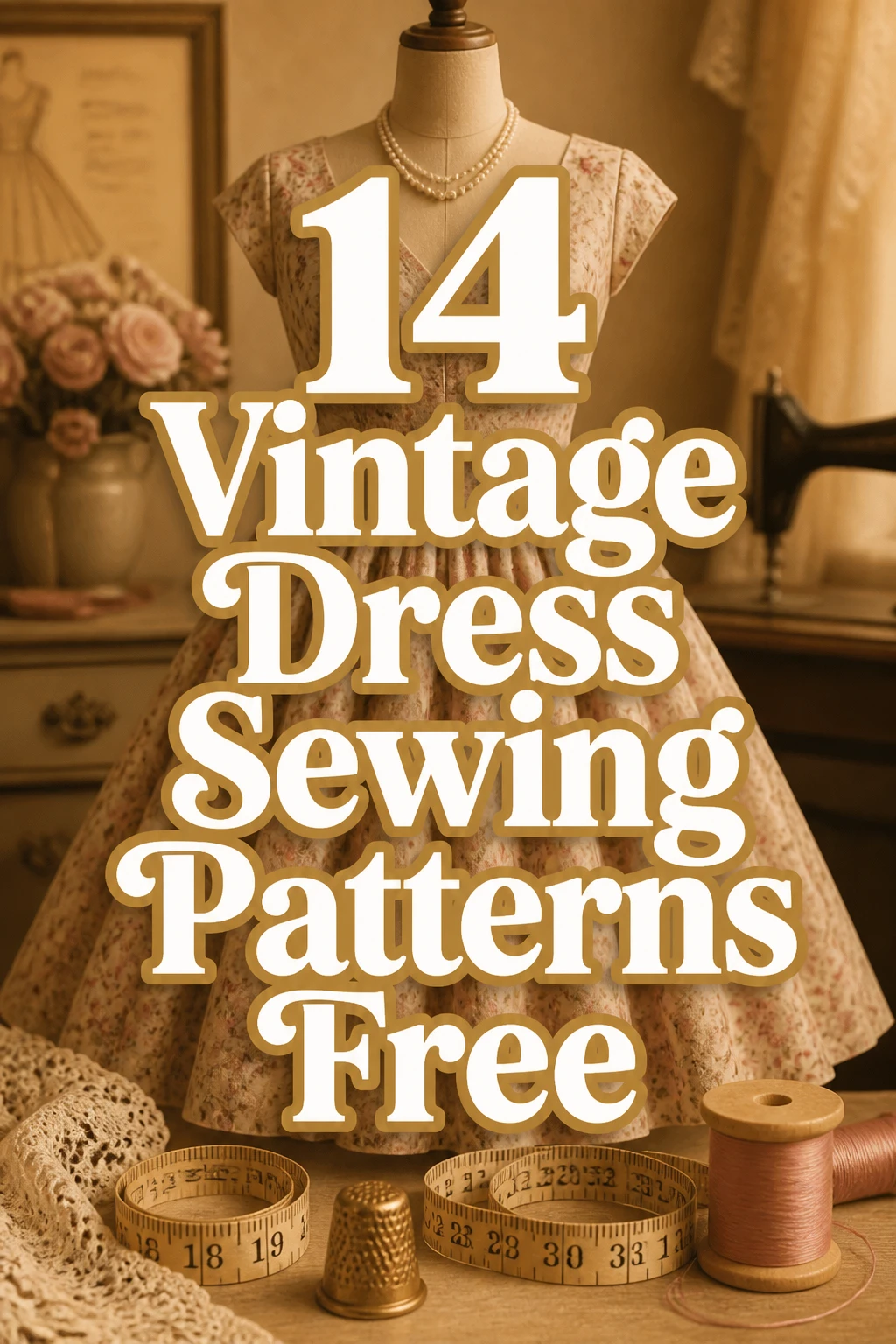
14 Vintage Dress Sewing Patterns Free
Ever stare at your closet, sigh dramatically, and declare, “I have nothing to wear”? We’ve all been there, trust me.
But what if you could whip up a stunning, unique outfit that screams you without breaking the bank? Get ready to unleash your inner fashionista with these fabulous free vintage dress patterns.
1. The Classic 1950s Swing Dress
- Best For: Garden parties, casual dates, looking effortlessly chic.
- Vibe: Retro glamour, playful, feminine.
- Why it works: The full skirt is perfect for twirling and hiding post-lunch food babies.
Imagine yourself in a vibrant cotton print, maybe a polka dot or a cherry pattern. This dress typically features a fitted bodice and a wide, gathered skirt that just begs for a petticoat underneath. You’ll need about 4-5 yards of fabric, depending on your size, and a good invisible zipper.
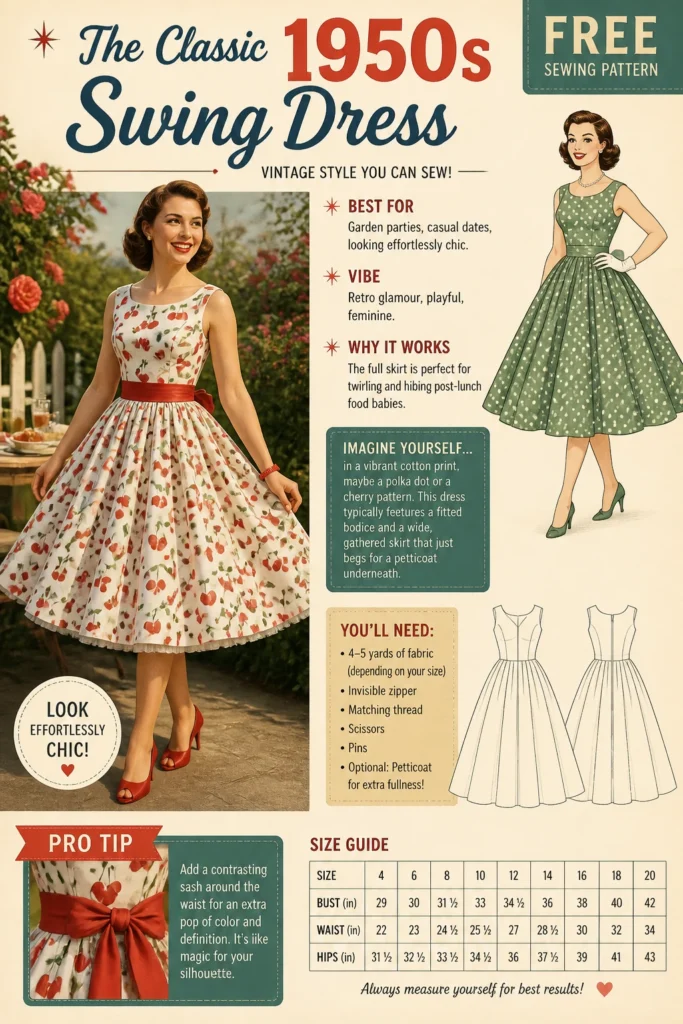
Pro Tip: Add a contrasting sash around the waist for an extra pop of color and definition. It’s like magic for your silhouette.
2. The Elegant 1940s Tea Dress
- Best For: Afternoon tea, museum visits, pretending you’re in an old movie.
- Vibe: Sophisticated, understated, wartime practicality meets style.
- Why it works: Its modest yet flattering cut suits almost everyone.
Think soft florals or subtle plaids in a rayon or crepe fabric. This style often has a slightly padded shoulder, a modest neckline, and a skirt that falls just below the knee. It’s perfect for showing off your favorite vintage brooches or a delicate pearl necklace. A simple slip underneath will ensure it drapes beautifully.
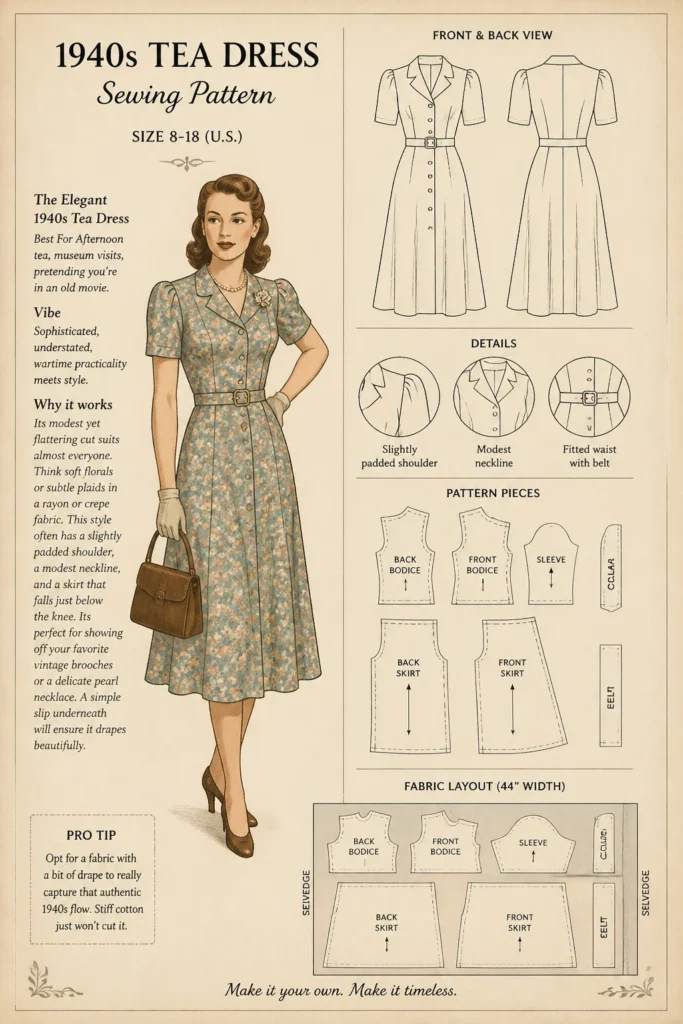
Pro Tip: Opt for a fabric with a bit of drape to really capture that authentic 1940s flow. Stiff cotton just won’t cut it.
3. The Iconic 1960s A-Line Shift
- Best For: Brunch with friends, art gallery hopping, channeling Twiggy.
- Vibe: Youthful, mod, minimalist.
- Why it works: It’s super easy to sew and even easier to wear.
Grab some bold geometric prints or a solid color in a sturdy cotton poplin or even a light wool. This dress is all about clean lines and a simple silhouette, usually ending above the knee. Pair it with some go-go boots and you’re practically time-traveling. You can totally make this in an afternoon with a basic sewing machine and some thread.
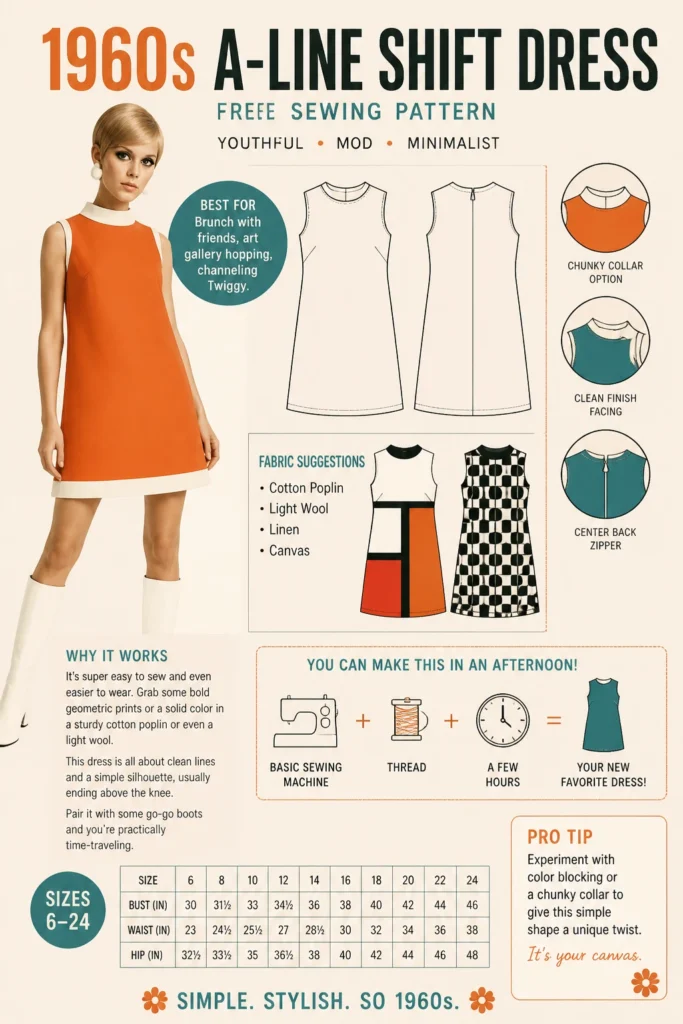
Pro Tip: Experiment with color blocking or a chunky collar to give this simple shape a unique twist. It’s your canvas.
4. The Bohemian 1970s Maxi Dress
- Best For: Music festivals, beach days, pretending you live in a commune.
- Vibe: Free-spirited, earthy, comfortable.
- Why it works: Flowy fabrics hide all sins and feel amazing on a hot day.
Look for a lightweight cotton gauze, voile, or a soft challis in a paisley or floral print. These dresses are typically long, flowing, and often feature bell sleeves or an empire waist. Add some fringe or embroidery for extra authenticity. This one is surprisingly simple to construct, requiring mostly straight seams and a good understanding of gathering techniques.
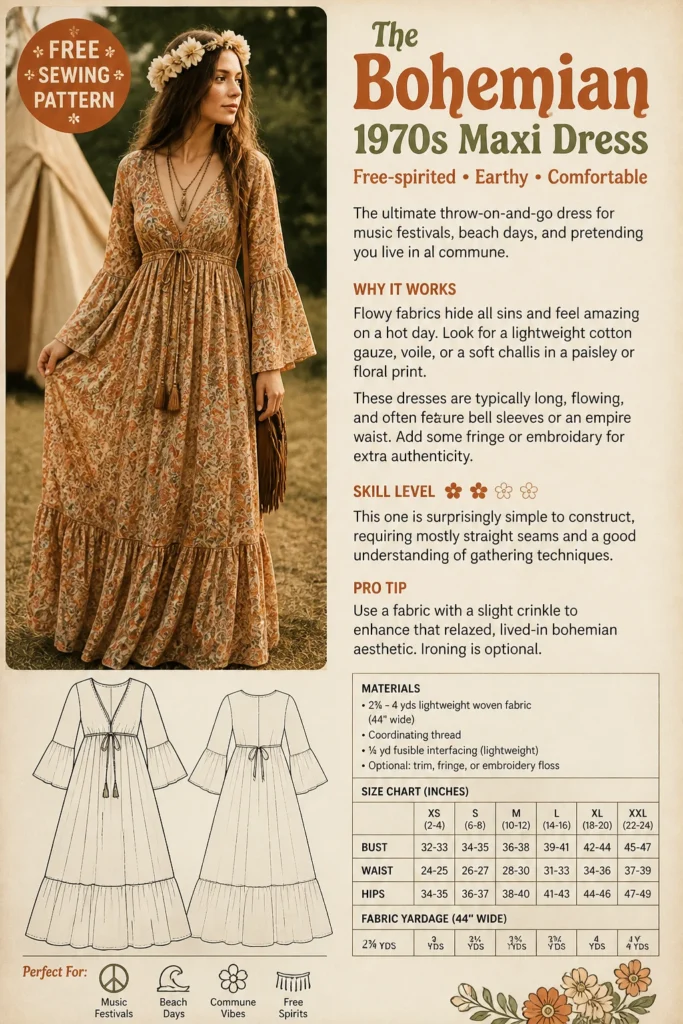
Pro Tip: Use a fabric with a slight crinkle to enhance that relaxed, lived-in bohemian aesthetic. Ironing is optional.
5. The Flirty 1920s Flapper Dress
- Best For: Roaring twenties parties, themed events, feeling utterly glamorous.
- Vibe: Daring, elegant, party-ready.
- Why it works: Its loose fit is comfortable for dancing and doesn’t require a perfect figure.
Think luxurious silks, velvets, or even a soft rayon in black, gold, or jewel tones. This iconic style is usually straight-cut, often with dropped waists and layers of fringe or beads. You’ll need a steady hand for attaching all those embellishments, but the basic dress shape is quite forgiving. Don’t forget the beads and sequins!
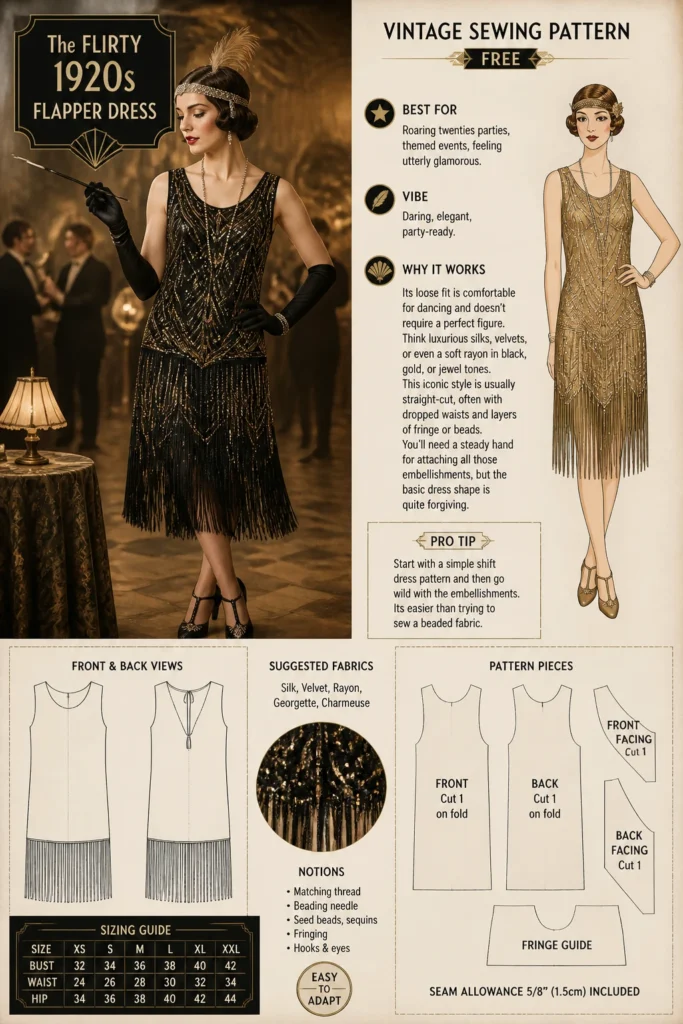
Pro Tip: Start with a simple shift dress pattern and then go wild with the embellishments. It’s easier than trying to sew a beaded fabric.
6. The Sweet 1950s Day Dress
- Best For: Running errands, casual outings, feeling adorable.
- Vibe: Wholesome, practical, charming.
- Why it works: It’s versatile enough for everyday wear but still feels special.
A simple cotton lawn or broadcloth in a gingham or small floral print would be perfect. This style often features a fitted bodice, a gathered or pleated skirt, and sometimes a cute collar or cap sleeves. It’s a great project for beginners looking to practice setting in sleeves and creating a neat waistband. A good pair of pinking shears will help prevent fraying.
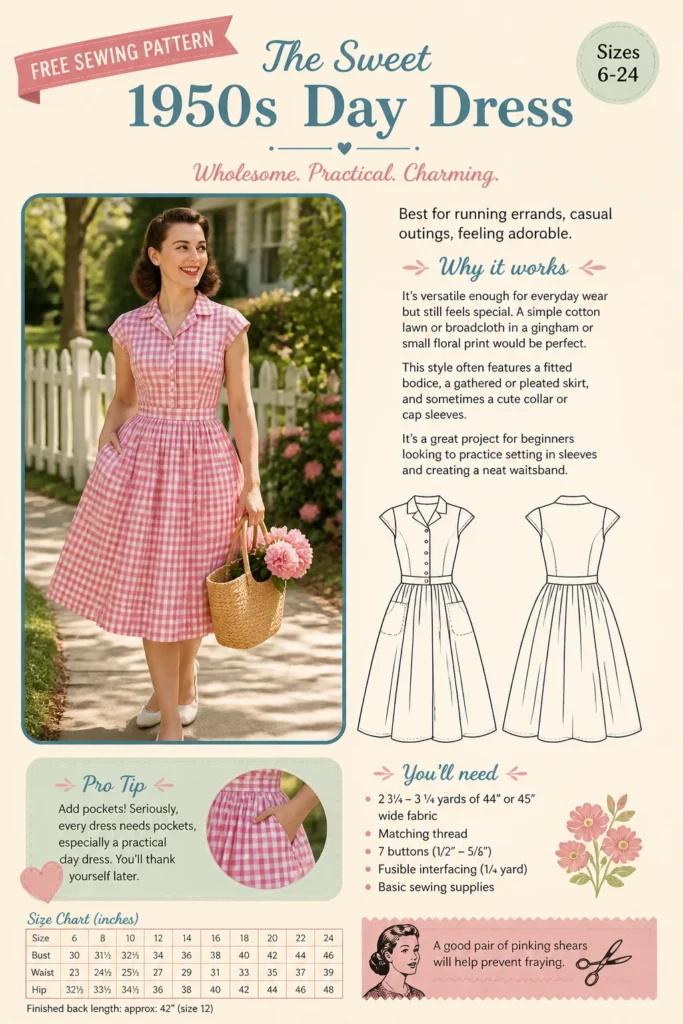
Pro Tip: Add pockets! Seriously, every dress needs pockets, especially a practical day dress. You’ll thank yourself later.
7. The Bold 1980s Power Dress
- Best For: Themed parties, making a statement, embracing your inner boss.
- Vibe: Confident, strong, shoulder-pad heavy.
- Why it works: It’s a fun, dramatic look that turns heads.
Go for a structured fabric like a gabardine or a heavier stretch cotton in a bright color like electric blue or fuchsia. This dress is all about strong shoulders, a cinched waist, and often a pencil skirt silhouette. You’ll definitely need some serious shoulder pads for this one, and maybe a strong cup of coffee to tackle the tailoring. A good iron is your best friend here.
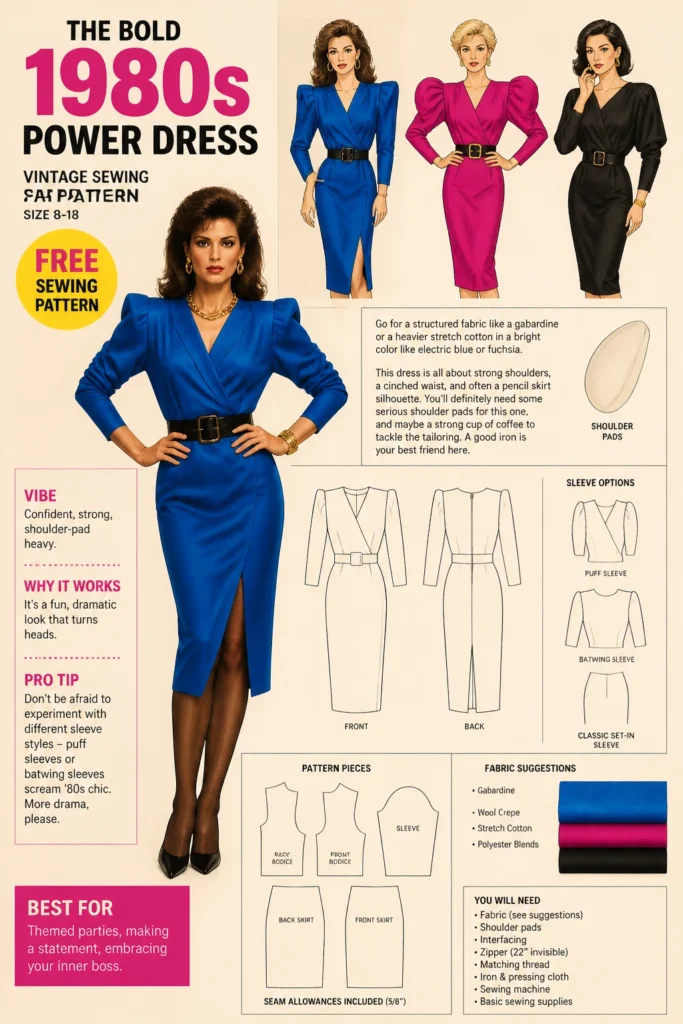
Pro Tip: Don’t be afraid to experiment with different sleeve styles – puff sleeves or batwing sleeves scream ’80s chic. More drama, please.
8. The Romantic 1930s Bias Cut Gown
- Best For: Formal events, feeling like a silver screen siren, dancing.
- Vibe: Glamorous, slinky, Old Hollywood.
- Why it works: The bias cut drapes beautifully and flatters the figure.
You absolutely need a soft, flowing fabric like silk charmeuse, satin, or a lightweight crepe for this. The bias cut means the fabric is cut at a 45-degree angle, allowing it to stretch and hug your curves. This one requires a bit more patience and careful handling of fabric, but the results are absolutely stunning. A very fine sewing needle is essential.
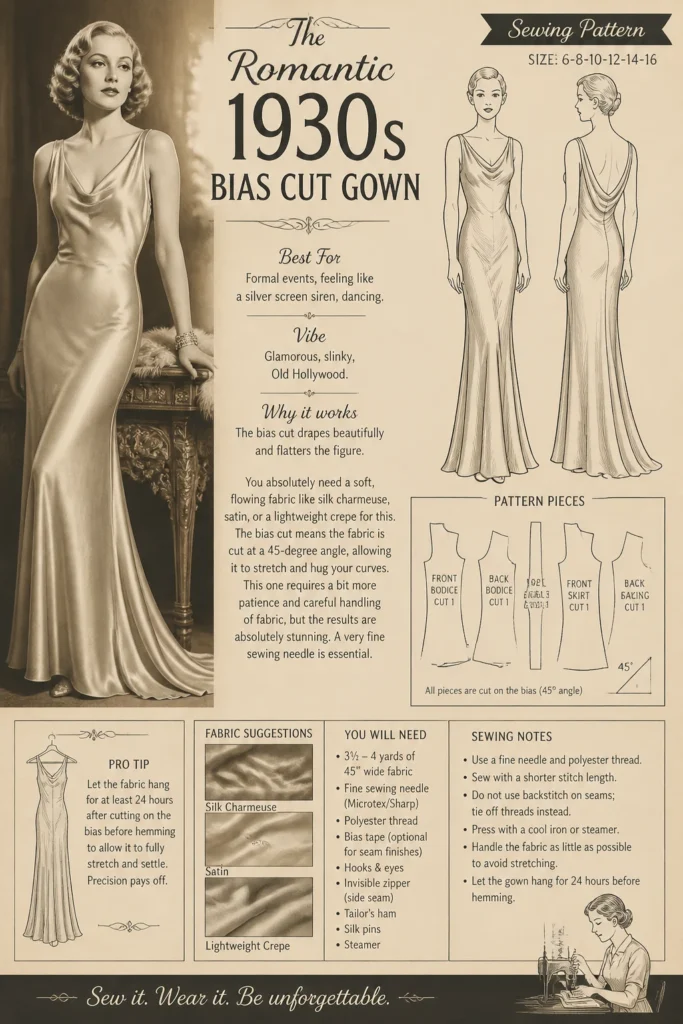
Pro Tip: Let the fabric hang for at least 24 hours after cutting on the bias before hemming to allow it to fully stretch and settle. Precision pays off.
9. The Playful 1960s Babydoll Dress
- Best For: Casual days, feeling youthful, channeling your inner mod girl.
- Vibe: Innocent, sweet, slightly rebellious.
- Why it works: It’s comfortable, cute, and super quick to sew.
Choose a lightweight cotton, linen blend, or even a soft corduroy in a pastel shade or a bold floral. This dress typically features a high empire waist and a loose, gathered skirt. It often has short sleeves or is sleeveless. This is a fantastic project for beginners, as it mostly involves straight seams and minimal fitting. You’ll need some good quality elastic for the cuffs if you add sleeves.
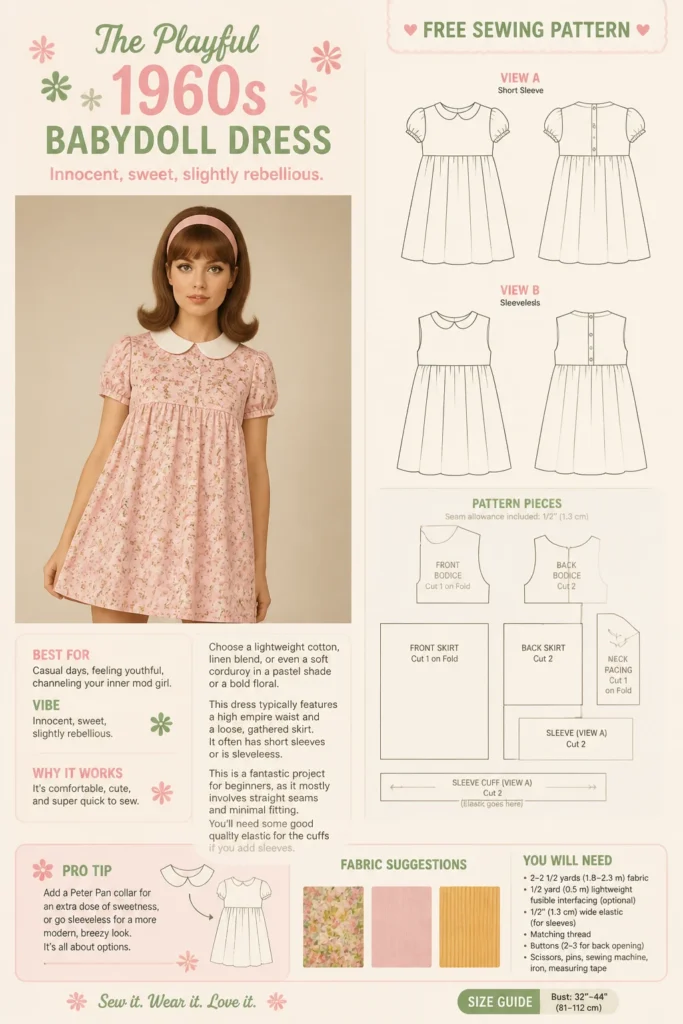
Pro Tip: Add a Peter Pan collar for an extra dose of sweetness, or go sleeveless for a more modern, breezy look. It’s all about options.
10. The Utility-Chic 1940s Shirtwaist Dress
- Best For: Everyday wear, looking polished but practical, channeling Rosie the Riveter.
- Vibe: Practical, smart, wartime ingenuity.
- Why it works: It’s a classic, timeless silhouette that’s always in style.
A sturdy cotton twill, denim, or even a wool blend in an olive green, navy, or brown would be perfect. This dress often features a button-down bodice, a defined waist, and a skirt with pleats or gathers. It’s a bit more involved with details like collars, cuffs, and buttonholes, but totally worth the effort. A reliable buttonhole foot for your machine is a must.
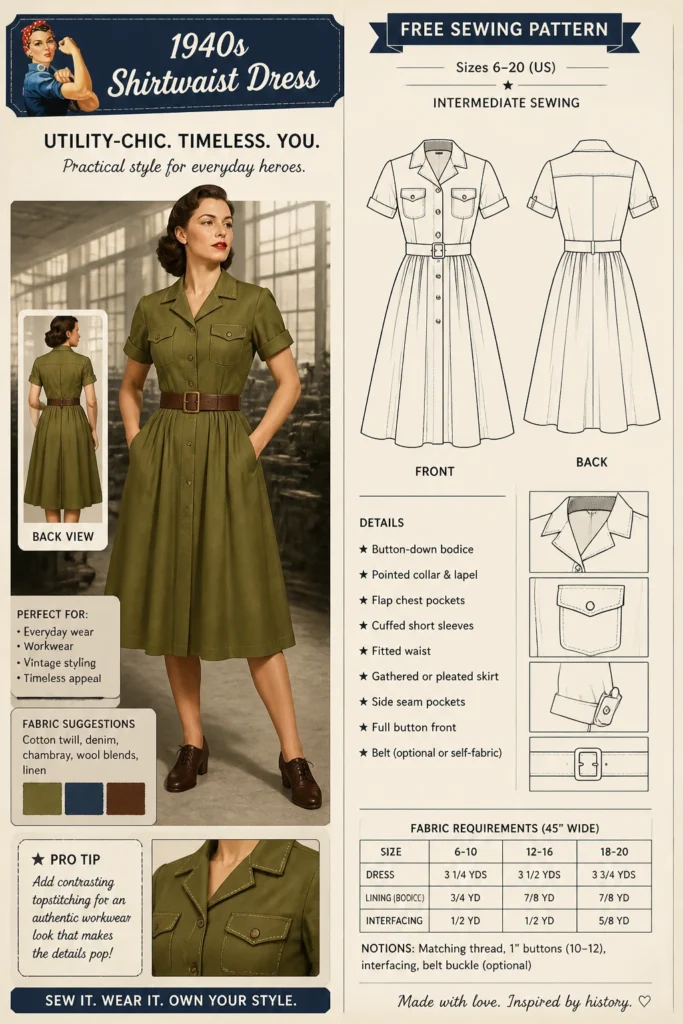
Pro Tip: Add some contrasting topstitching for a truly authentic workwear vibe. It really makes the details pop.
11. The Rockabilly 1950s Halter Dress
- Best For: Summer picnics, dancing, looking pin-up perfect.
- Vibe: Sassy, retro, fun.
- Why it works: It shows off your shoulders and keeps you cool in the summer heat.
Think vibrant cottons with playful prints like cherries, polka dots, or leopard spots. This dress features a fitted bodice that ties at the neck, often with a sweetheart neckline, and a full circle skirt. You’ll need a good amount of fabric for that twirl-worthy skirt, typically around 5-6 yards. A sturdy boning for the bodice will provide excellent support.
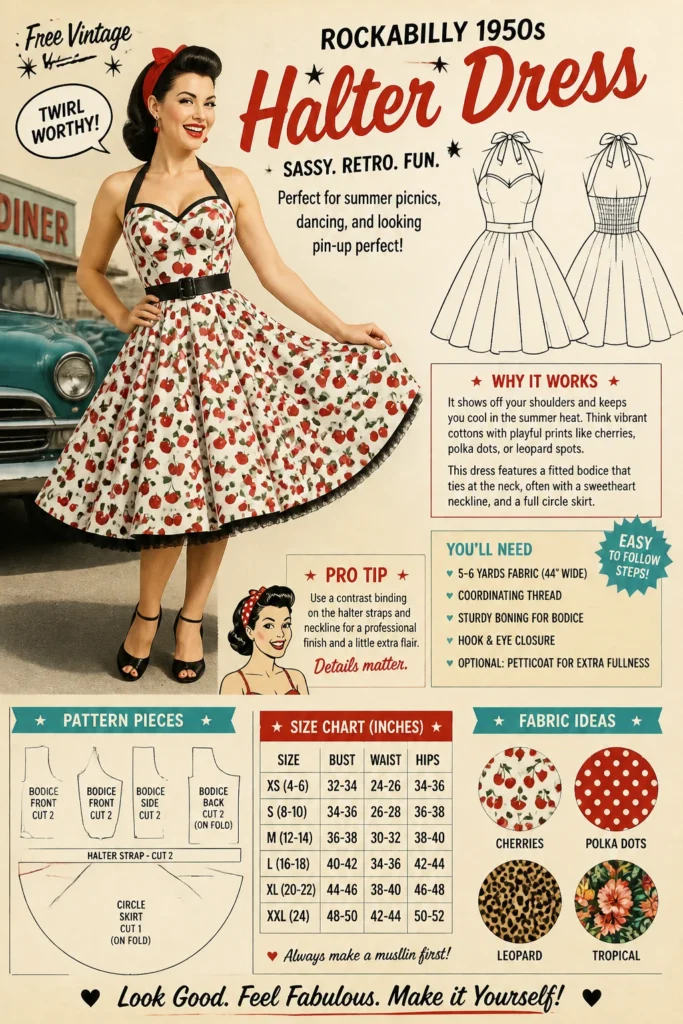
Pro Tip: Use a contrast binding on the halter straps and neckline for a professional finish and a little extra flair. Details matter.
12. The Edwardian Walking Skirt & Blouse Combo
- Best For: Historical reenactments, themed garden parties, making a grand entrance.
- Vibe: Elegant, formal, turn-of-the-century grace.
- Why it works: It’s a classic historical look that’s surprisingly comfortable to move in.
A sturdy linen, cotton sateen, or even a lightweight wool for the skirt, paired with a delicate cotton lawn or silk for the blouse. The skirt is typically long, with pleats or gathers for fullness, and the blouse often features lace, ruffles, and high collars. This project involves a bit more intricate detailing, so a good set of fabric scissors is crucial. Expect to spend some quality time on gathers and tiny buttons.
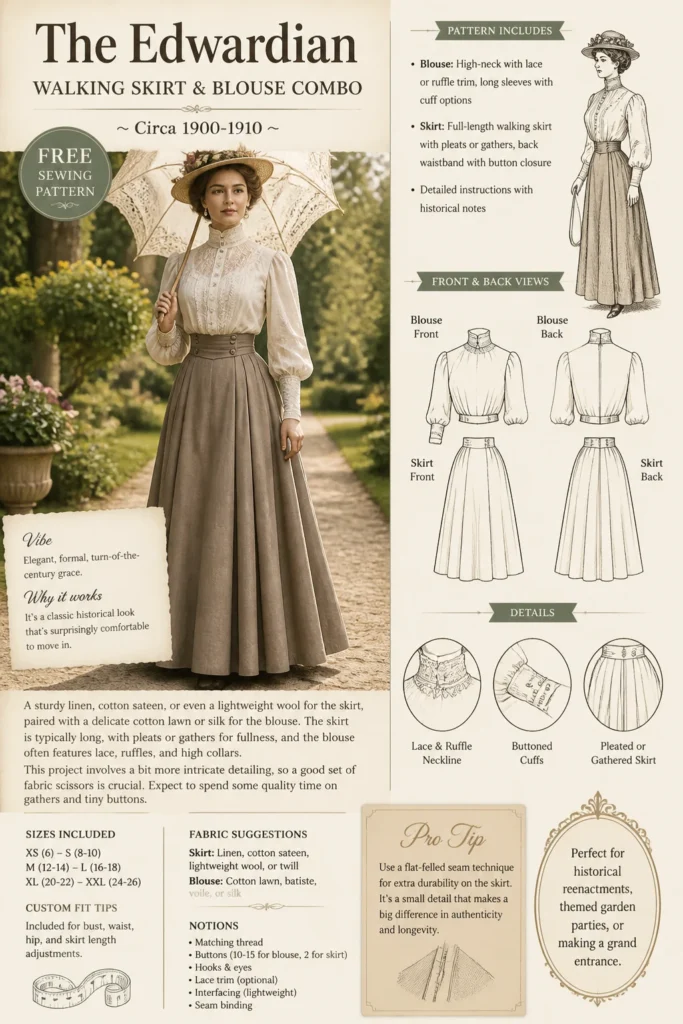
Pro Tip: Use a flat-felled seam technique for extra durability on the skirt. It’s a small detail that makes a big difference in authenticity and longevity.
13. The Mod 1960s Trapeze Dress
- Best For: Casual comfort, hiding a big lunch, looking effortlessly cool.
- Vibe: Relaxed, chic, artistic.
- Why it works: Its loose, swingy shape is incredibly comfortable and forgiving.
Choose a medium-weight fabric with some body, like a cotton twill, linen, or even a lightweight denim. This dress flares out from the shoulders, creating a triangular silhouette. It’s often sleeveless or has simple cap sleeves. This is another excellent pattern for beginners, as it has minimal fitting and mostly straight seams. Don’t forget a roll of pattern paper for tracing.
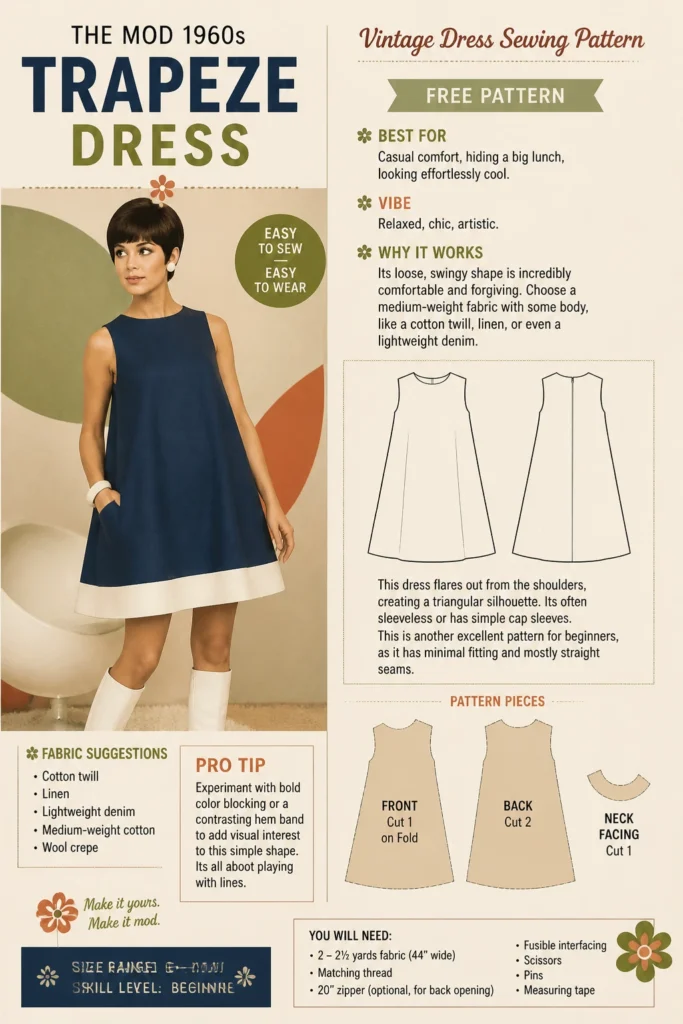
Pro Tip: Experiment with bold color blocking or a contrasting hem band to add visual interest to this simple shape. It’s all about playing with lines.
14. The Disco-Ready 1970s Jumpsuit
- Best For: Dance parties, making a statement, channeling your inner ABBA.
- Vibe: Funky, glamorous, confident.
- Why it works: It’s an entire outfit in one go and incredibly stylish.
You’ll want a slinky knit fabric with a good amount of stretch, like a jersey or a stretch velvet, in a metallic or bold color. This involves a fitted bodice, often with wide-leg pants. Working with knits requires a specific needle (a ballpoint needle is your friend) and a bit of patience, but the result is a showstopper. Practice your stretch stitches beforehand.
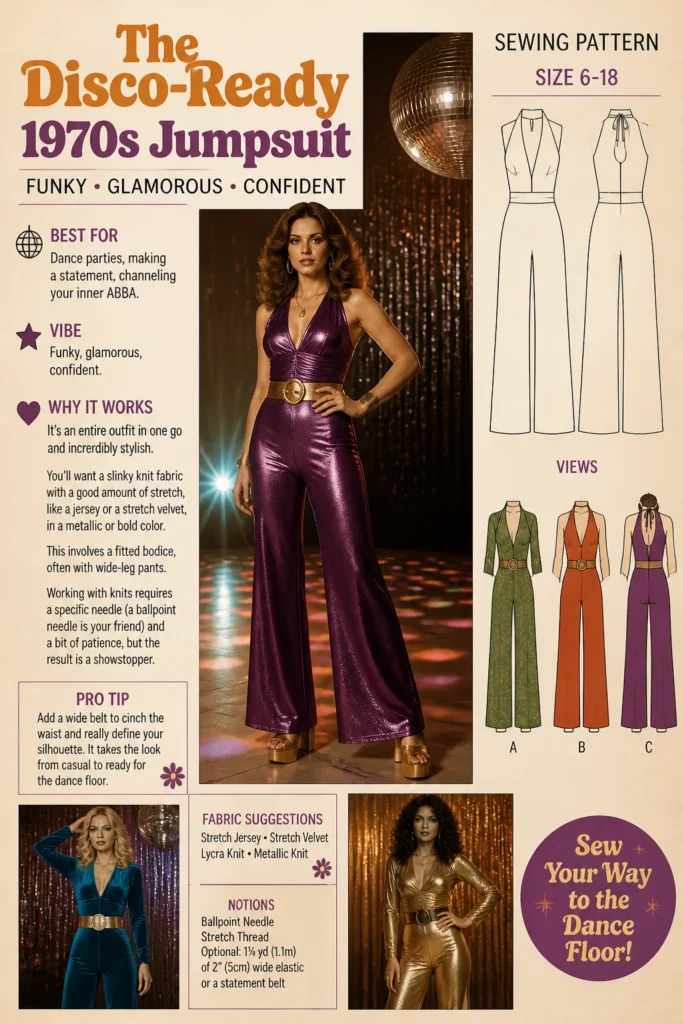
Pro Tip: Add a wide belt to cinch the waist and really define your silhouette. It takes the look from casual to “ready for the dance floor.”
Our Top Recommended Finds
To get started on your vintage sewing journey, you’ll want a few essentials:
- A reliable sewing machine: It’s your workhorse, so treat it well.
- A good quality rotary cutter and mat: Makes cutting fabric so much faster and more accurate.
- A comprehensive sewing notions kit: Think pins, seam ripper (oh, you’ll need one), measuring tape, and various needles.
Which of these will you try first?
So, there you have it, 14 fantastic free vintage dress sewing patterns to spark your creativity. Ditch the fast fashion and embrace the joy of making something truly unique.
Which era is calling your name the loudest? Let us know which fabulous frock you’re diving into first!