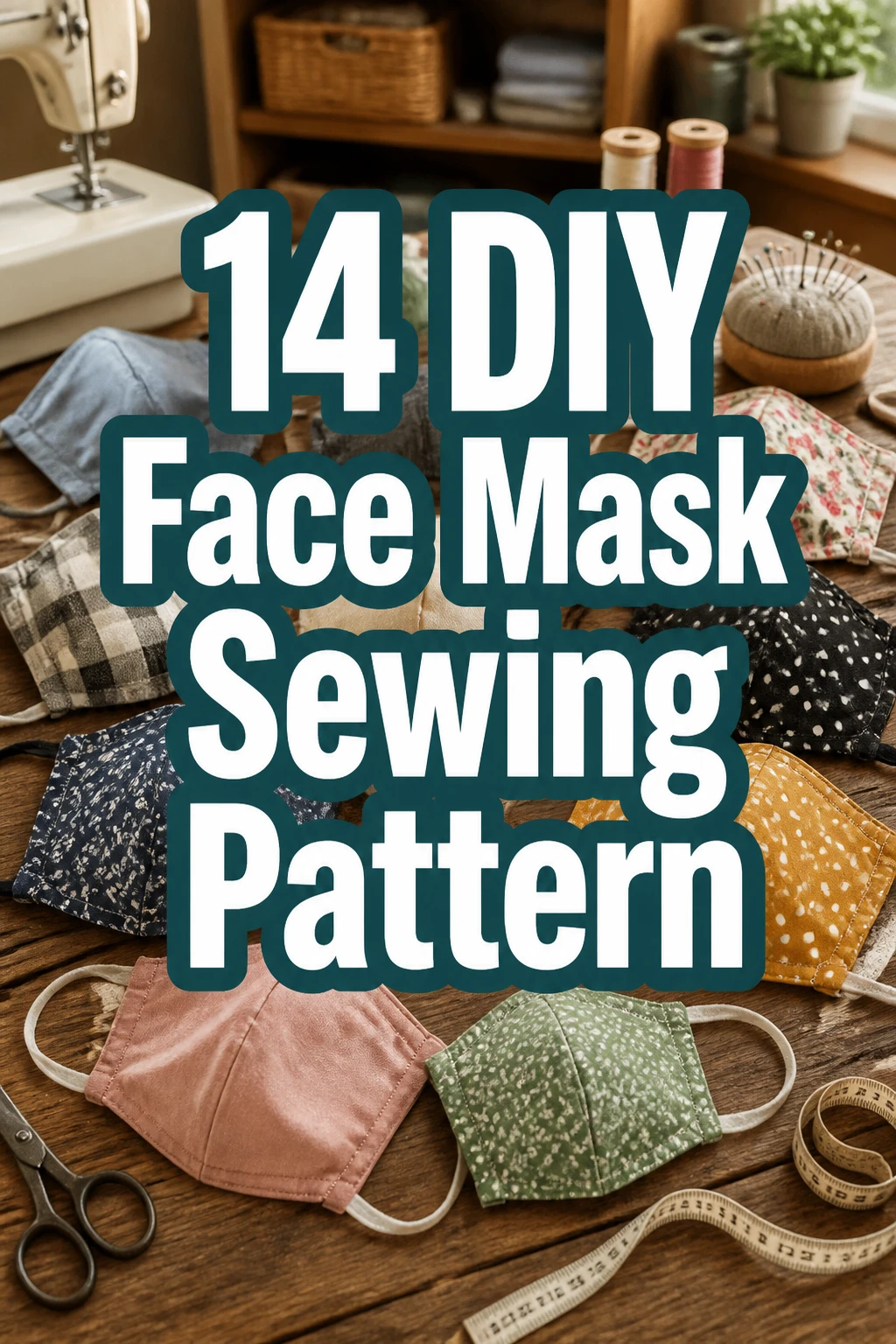
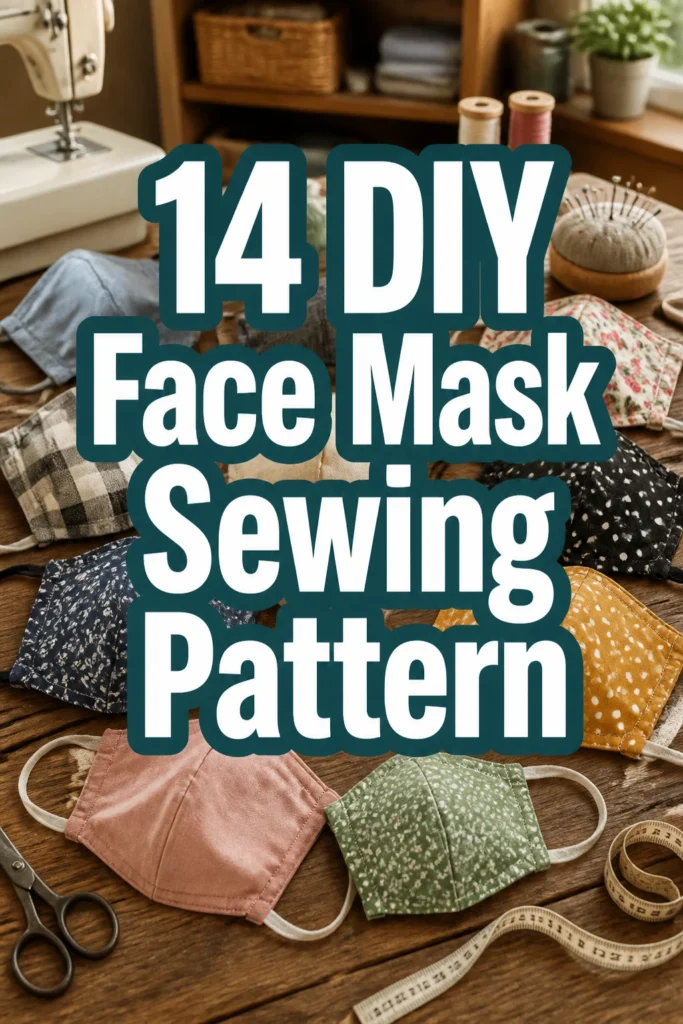
14 DIY Face Mask Sewing Pattern
Staring at that pile of fabric scraps, wondering what magical creation you can conjure up next? Your sewing machine is practically humming with anticipation.
Good news, buttercup. We’re diving into some seriously chic DIY face mask sewing patterns that’ll have you feeling fabulous and ready for anything.
1. The Classic Pleated Mask
- Best For: Beginners and anyone needing a reliable, quick sew.
- Vibe: Timeless, functional, and gets the job done without fuss.
- Why it works: Its simple design offers good coverage and is forgiving for new sewers.
This is your go-to, no-nonsense pattern. You will need some tightly woven cotton fabric, like a quilting cotton, and a bit of elastic for the ear loops. Think crisp solid colors or subtle patterns for a versatile look.
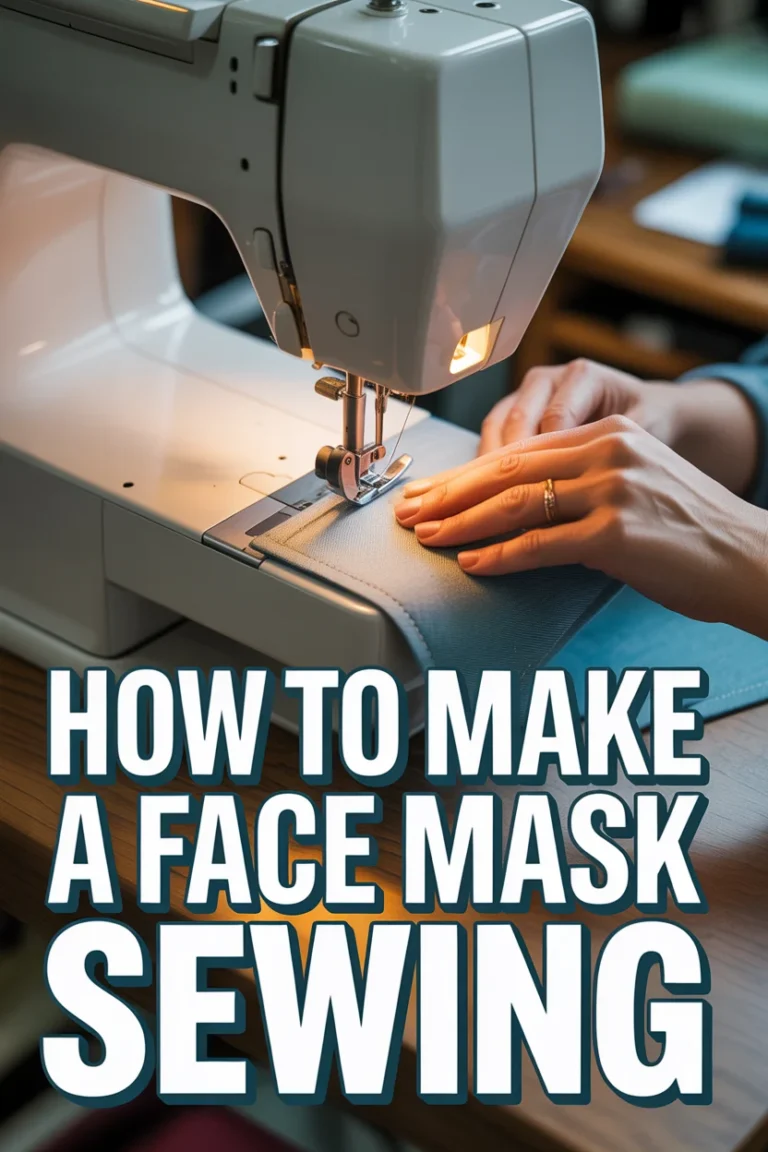
You fold three pleats into a rectangular piece of fabric, stitch it down, and attach your elastic. It is practically sewing 101, but the results are surprisingly effective. Plus, you can churn these out in record time.
Pro Tip: Press your pleats perfectly before sewing them down. It makes all the difference for a sharp, professional finish.
2. The Contoured 3D Mask
- Best For: Glasses wearers and those seeking a snugger fit.
- Vibe: Modern, sleek, and hugs your face just right.
- Why it works: The curved seams create space around the mouth and nose, reducing fogging.
Say goodbye to foggy glasses with this clever design. This pattern uses two or three curved fabric pieces that you stitch together, often with a central seam. A soft flannel lining keeps it comfy.
You will usually add elastic or ties to the sides. Pick a stylish chambray or a bold geometric print to really make a statement. It is a bit more involved, but totally worth the effort.
Pro Tip: Use a walking foot on your sewing machine if your fabric layers are shifting. It makes sewing curves so much smoother.
3. Adjustable Ear Loop Mask
- Best For: Anyone tired of ear strain or ill-fitting masks.
- Vibe: Customized comfort, no more guessing your size.
- Why it works: Toggles allow you to perfectly adjust the elastic tension for a custom fit.
This pattern takes your standard ear loop mask and elevates it with adjustability. You will need thin elastic cord and small silicone toggles, which are super easy to thread on. No more loose or painfully tight loops.
Sew your mask as usual, then slide a toggle onto each elastic loop before securing it. This small addition makes a huge difference in wearability. Choose a sturdy fabric like a cotton twill for durability.
Pro Tip: Buy a multipack of toggles online. They are inexpensive and you will be glad to have extras for all your mask projects.
4. Tied Back Head Strap Mask
- Best For: Extended wear, sensitive ears, or those with hearing aids.
- Vibe: Secure, comfortable, and distributes pressure evenly.
- Why it works: Ties behind the head eliminate ear pressure and provide a stable fit.
Ditch the ear pain with this smart design. Instead of ear loops, this pattern uses two sets of fabric ties or longer elastic pieces that tie behind your head and neck. A soft jersey knit lining feels great against your skin.
You simply sew long fabric strips into the sides of your mask. This style is fantastic for all-day wear, especially if you are chatty. Try a fun patterned fabric to brighten your day.
Pro Tip: Make your ties long enough for a comfortable double knot. About 18-20 inches per tie works well for most adults.
5. Filter Pocket Mask
- Best For: Added protection and peace of mind.
- Vibe: Smart, practical, and adaptable.
- Why it works: An internal pocket allows you to insert an extra layer of filtration.
Level up your mask game with a built-in filter pocket. This pattern usually involves adding an extra layer of fabric on the inside, creating an opening where you can slide in a disposable filter. Think a crisp broadcloth for the outer layer.
The opening is often at the bottom or along one side. This design gives you the flexibility to boost protection when you need it. Pair it with a simple, solid color to keep the focus on function.
Pro Tip: Use a non-woven interfacing or even a coffee filter as a temporary disposable filter. Just make sure it is breathable.
6. Nose Wire Insert Mask
- Best For: Preventing glasses fogging and achieving a better seal.
- Vibe: Thoughtful, effective, and tailored.
- Why it works: A flexible wire molds to your nose, stopping air leakage upwards.
Tired of your glasses looking like they just emerged from a sauna? This pattern incorporates a channel for a bendable nose wire. You will typically sew a small casing along the top edge of your mask.
You can use pipe cleaners, floral wire, or dedicated nose bridge strips. Choose a breathable yet sturdy fabric like a tightly woven linen blend for the mask itself. It is a game-changer for clarity.
Pro Tip: Stitch the casing a bit wider than your wire, so you can easily remove it before washing to prevent rust or damage.
7. Kid-Friendly Animal Mask
- Best For: Making mask-wearing fun and less intimidating for little ones.
- Vibe: Playful, adorable, and imagination-sparking.
- Why it works: Cute animal designs encourage kids to wear their masks willingly.
Turn mask time into playtime with these adorable patterns. Think little bear ears, cat whiskers, or even a tiny dinosaur spike. You will need smaller pattern pieces and soft, kid-friendly cotton prints.
Sew on felt ears or appliqué simple animal faces. Adjustable ear loops or soft ties are a must for comfort. Let your child pick their favorite animal for extra enthusiasm.
Pro Tip: Use soft, stretchy knit fabric for the ear loops on kids’ masks. It is much gentler on their sensitive skin than stiff elastic.
8. Reversible Fabric Mask
- Best For: Versatility and getting two looks from one mask.
- Vibe: Double the style, double the fun.
- Why it works: Two different fabrics mean you can flip it inside out for a fresh look.
Why settle for one look when you can have two? This pattern is essentially two masks sewn together, creating a seamless, reversible design. Pick two complementary or contrasting cotton prints.
You sew the outer edges right sides together, leave a small opening, turn it, and then topstitch. It is like getting a bonus mask for free. One side could be a floral, the other a solid navy.
Pro Tip: Choose fabrics with similar weights so your mask hangs evenly and does not feel lopsided when reversed.
9. Sporty Mesh Panel Mask
- Best For: Active individuals seeking improved breathability during light activity.
- Vibe: Athletic, airy, and performance-focused.
- Why it works: Strategic mesh panels allow for better airflow while maintaining coverage.
For those who need a bit more air, this pattern integrates breathable athletic mesh fabric into specific areas. You might use a structured cotton for the main body and a lighter mesh over the mouth area.
The trick is to place the mesh where it maximizes airflow without compromising the mask’s integrity. Think about using a moisture-wicking fabric for the lining. This is for your brisk walks, not your marathon.
Pro Tip: Use a fine mesh to avoid large gaps. A sewing machine needle designed for knits will help prevent snags when working with mesh.
10. Upcycled Denim Mask
- Best For: Eco-conscious crafters and achieving a rugged, stylish look.
- Vibe: Sustainable, cool, and uniquely yours.
- Why it works: Repurposing old denim gives new life to fabric and reduces waste.
Give those old jeans a stylish second life. This pattern uses sections of worn denim for a durable and fashion-forward mask. Just ensure the denim is clean and not too thick for comfortable breathing.
You can use different washes of denim for a patchwork effect or keep it simple with a single piece. A soft cotton flannel lining makes it comfortable against your face. Think distressed denim for extra edge.
Pro Tip: Wash your denim thoroughly before cutting. Denim can bleed dye, and you do not want that on your face or other fabrics.
11. Silk Lined Comfort Mask
- Best For: Sensitive skin and reducing “maskne” breakouts.
- Vibe: Luxurious, gentle, and skin-friendly.
- Why it works: Silk is naturally hypoallergenic and less irritating than other fabrics.
Treat your skin to some luxury with a silk-lined mask. This pattern involves using a smooth silk or satin fabric for the inner layer, with a breathable cotton or linen for the outer shell. Your face will thank you.
The silk reduces friction, which can help prevent breakouts and irritation. Choose a lovely jewel-toned silk for the lining and a complementary solid for the outside. It is pure indulgence.
Pro Tip: Use sharp scissors and a walking foot when sewing silk. It can be slippery, but the effort is worth the comfort.
12. Embroidered Personalization Mask
- Best For: Expressing individuality and adding a unique touch.
- Vibe: Artisanal, custom, and one-of-a-kind.
- Why it works: Hand or machine embroidery transforms a plain mask into a personal statement.
Make your mask truly yours with some embroidered flair. This pattern involves adding your chosen design to a plain fabric mask before or after construction. A solid color cotton poplin is a great base.
You can stitch a small initial, a simple floral motif, or a quirky symbol. Just be mindful not to over-embroider, keeping it breathable. Use vibrant embroidery floss for a pop of color.
Pro Tip: Embroider your design on the outer fabric piece before assembling the mask. It is much easier to work on a flat piece of fabric.
13. Clear Panel Lip Reading Mask
- Best For: Communication with the hearing impaired and showing off your smile.
- Vibe: Inclusive, thoughtful, and highly functional.
- Why it works: A clear window allows visibility of the mouth for lip-reading and facial expressions.
Bridge communication gaps with this ingenious design. This pattern incorporates a small window of clear vinyl or TPU fabric over the mouth area. You will need a sturdy cotton for the rest of the mask.
The vinyl is sewn into an opening, often with a bias tape finish for a clean edge. This is a wonderfully thoughtful pattern that makes a real difference. Choose a neutral color like grey or beige for the fabric.
Pro Tip: Use a non-stick or Teflon sewing machine foot when stitching vinyl. It prevents the material from sticking and makes for smoother seams.
14. Scarf-Integrated Mask
- Best For: Fashion-forward individuals seeking an elegant, seamless look.
- Vibe: Chic, sophisticated, and effortlessly stylish.
- Why it works: The mask is directly attached to a scarf, blending function and fashion.
Elevate your mask game to high fashion. This pattern combines a face mask with a flowing scarf, usually by sewing the mask directly into the scarf’s center. Think lightweight chiffon or a soft rayon blend for the scarf.
The mask itself can be a simple pleated or contoured design, sewn into the scarf’s seam. This creates a cohesive look that is both practical and incredibly chic. Choose a vibrant print for the scarf to make a statement.
Pro Tip: Use a lightweight mask fabric like a silk-cotton blend to ensure the entire piece remains comfortable and breathable.
Our Top Recommended Finds
- Rotary cutter and self-healing mat: Precision cutting makes all the difference for accurate mask pieces, saving you time and frustration.
- Fabric clips: These are a lifesaver for holding multiple layers or slippery fabrics, especially when elastic is involved. Way better than pins.
- Good quality elastic (1/8 inch or 1/4 inch): Investing in soft, stretchy elastic prevents ear discomfort and ensures your masks last through many washes.
Which of these will you try first?
There you have it, folks: a whole new arsenal of DIY goodness for your gorgeous face. Who needs store-bought when you have a sewing machine and a dash of creativity?
Seriously, which one are you whipping up this weekend? Spill the tea in the comments below. We are dying to know.